We Tried 5 Ways to Cook Salmon Fish to Find the Best Method
Introduction
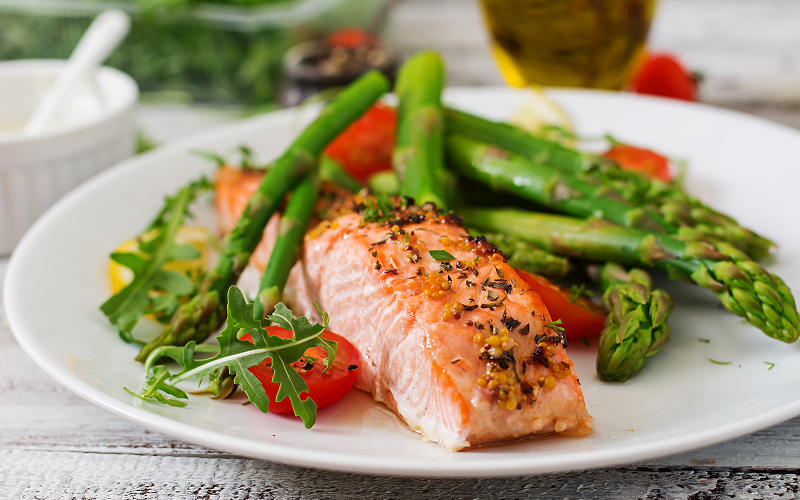
The first time we had truly great salmon, we almost sent it back. It looked underdone: pale pink, glistening and slightly translucent at the centre, nothing like the pale, flaking-apart fillets we were used to making at home. We took one bite and realised we’d been getting it wrong for years.
The difference was not a complicated sauce or an expensive garnish. It was the texture. The salmon was moist and silky in the middle, with enough structure on the outside to make every bite feel substantial. It made us realise how easily salmon can go from tender to dry, and how much the cooking method affects the final result.
That one dinner sent us down a rabbit hole of testing nearly every popular way to cook salmon, from stovetop classics to slow, controlled techniques that promise more consistent doneness. Some methods focused on gentle heat, others on moisture retention, while pan-searing relied on higher heat to develop colour and flavour on the surface.
We wanted to know which approach gave us the best balance of moisture, flavour, texture, and practicality at home. So we put five methods side by side using similar salmon fillets and kept the seasoning simple enough that the cooking technique had nowhere to hide.
The results were more varied than we expected. One method gave us excellent consistency but required specialist equipment. Another was almost effortless but lacked the browned flavour we wanted. One turned out rich and tender, but involved far more oil than we would normally use for a weeknight dinner.
Then there was the method that combined the qualities we cared about most without making the process unnecessarily complicated.
Here’s what we learned from testing five different ways to cook salmon, including the one method we are now most likely to use at home.
Key Takeaways
- Of the five ways to cook salmon fish we tested, brining followed by pan-searing gave us the best balance of flavour, moisture and texture, although starting with a good salmon fillet matters too.
- Slow roasting produced moist, gently cooked salmon, but it lacked the browning and deeper flavour we found with higher-heat methods.
- Olive oil-poaching gave the salmon a rich, tender texture, although it required considerably more oil and clean-up.
- Sous vide provided excellent control over doneness, while parchment baking stood out as the easiest and most forgiving option for a weeknight meal.
- Our winning method only adds a short brining step before a conventional pan sear, making it practical enough to repeat at home.
The Most Common Mistake People Make with Salmon
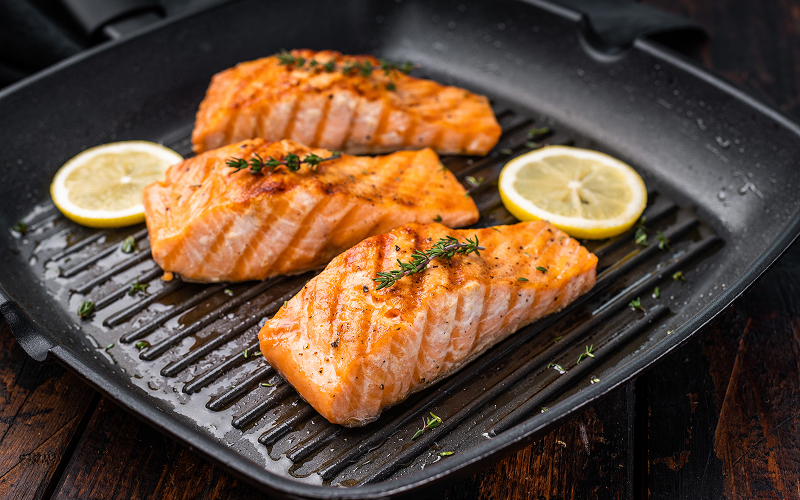
Almost every disappointing salmon dinner comes down to one thing: overcooking. Salmon is a delicate fish, and the difference between “perfectly cooked” and “dry as cardboard” can be a matter of two or three minutes.
Like a good steak, salmon can be cooked to different levels of doneness, although lower internal temperatures mean the fish is not thoroughly cooked. The Singapore Food Agency recommends cooking seafood thoroughly, particularly for young children, pregnant women, older adults and people with illnesses. If you prefer a still-rosy, medium centre, around 52–55°C produces the texture we were looking for in this test, while cooking it further gives a firmer, more opaque result.
Popular Ways to Cook Salmon Fish
You can cook salmon in plenty of ways: sear it in a hot pan, roast it on a baking tray, poach it low and slow, or even cook it sous vide. Most of these are weeknight-friendly, and the two most common methods, a 200°C oven or a quick stovetop sear, will get you a solid dinner most nights.
Whichever method you choose, the result only ever tastes as good as the fish you start with, so it’s worth knowing what to look for when picking out fresh fish before you even turn on the stove.
But we wanted to know which method actually delivers the moistest, most flavourful salmon with the least risk of drying it out. So we tested five different methods side by side, using Norwegian salmon fillets, olive oil, coarse salt, and black pepper for each.
Quick Answer: What’s the Best Way to Cook Salmon?
Brined and pan-seared. A short salt-water soak before searing produced the juiciest, most flavourful fillet of the bunch, with a firm exterior and a still-blush, silky centre, closer to a perfectly cooked steak than the dry fish most of us grew up eating.
A Note on Methodology
Every fillet was patted dry and left briefly to take the chill off before cooking, then seasoned simply with olive oil, salt, and pepper, aside from the brine, which replaced the salt. we judged each method on three things: how evenly and gently it cooked the fish, how much flavour it delivered on its own, and how much time, equipment, or babysitting it demanded.
Method #1: Slow-Roasted in the Oven
- Method Details: Roast skin-side down at 135°C for 20–30 minutes, until the centre reaches 52°C.
- Cooking Time: About 25 minutes
- Rating: 6/10
Slow roasting uses gentle, steady heat to cook the salmon gradually from the outside towards the centre. Instead of exposing the fish to the intense heat of a conventional roast, the lower oven temperature gives the proteins more time to cook without tightening as quickly, which can help the fillet stay tender and moist. We placed the salmon skin-side down, brushed it lightly with oil and let the oven do most of the work. The trade-off is that low heat produces very little browning, so this method suits cooks who prioritise soft texture and moisture over a crisp surface or deeply roasted flavour.
Results: The fish came out gently cooked and very moist, but it was bland. Without any real heat to render the fat or brown the surface, the flavour stayed flat, and we had to check the temperature repeatedly to avoid missing the window.
Method #2: Poached in Olive Oil
- Method Details: Submerge the fillet in olive oil, warm to 49°C on the stovetop, then transfer to a 110°C oven for 20–25 minutes.
- Cooking Time: About 45 minutes
- Rating: 7/10
Olive oil poaching cooks the salmon gently while surrounding it almost completely with fat. The low cooking temperature means the fish heats gradually, while the oil protects the surface from drying out and gives the finished fillet a richer mouthfeel. We warmed the oil first, submerged the salmon, then transferred everything to a low oven so the fish could continue cooking without aggressive direct heat. It is a luxurious way to prepare salmon, particularly when you want a soft, almost confit-like texture, but it requires much more oil than the other methods and creates more clean-up afterwards.
Results: This was, unsurprisingly, the most decadent-tasting fillet; the oil bath added real depth of flavour. But it’s messy, uses a shocking amount of olive oil, and cooks slightly unevenly, with some spots more done than others.
Method #3: Sous Vide
- Method Details: Seal the fillet in a bag with oil and seasoning, cook in a 55°C water bath for 30 minutes.
- Cooking Time: About 35 minutes
- Rating: 8/10
Sous vide takes most of the temperature guesswork out of cooking salmon. The fillet is sealed in a bag and submerged in a temperature-controlled water bath, so the fish can’t get much hotter than the surrounding water. That lets the salmon cook evenly from edge to centre, rather than developing a more cooked outer layer before the middle is ready. We used this method to see how much difference precise temperature control would make to texture. It is one of the most consistent approaches we tested, although it requires specialist equipment and does not naturally create the browned surface you get from roasting or pan-searing.
Results: The texture was excellent: firm, flaky, and consistent edge to edge. The only downsides are needing a sous vide setup, and the fact that the fish doesn’t develop much flavour or colour without a quick sear afterwards.
Method #4: Baked in a Parchment Packet
- Method Details: Wrap the seasoned fillet loosely in baking paper, bake at 190°C for 12–15 minutes.
- Cooking Time: About 15 minutes
- Rating: 8.5/10
Baking salmon en papillote means sealing the fillet in baking paper so steam and moisture stay trapped around the fish as it cooks. As the salmon heats up, its own juices, along with any moisture from lemon, herbs or vegetables placed inside the packet, create a small steaming environment. This makes the method particularly forgiving because the surface is less exposed to the oven’s dry heat. We liked that it required very little active attention and could easily become a complete meal by adding vegetables or aromatics to the same packet. It also keeps washing-up to a minimum.
Results: This method surprised me. Even a couple of minutes past when I expected it to be overdone, the fillet stayed moist and tender. It’s an easy weeknight win, especially if you toss in herbs, lemon, or vegetables before sealing the packet.
Method #5: Brined and Pan-Seared
- Method Details: Brine in salt water for 15 minutes, pat dry, then sear in a dry, cold non-stick pan over medium-high heat, about 5–6 minutes per side.
- Cooking Time: About 30 minutes total
- Rating: 10/10
This technique adds one extra step before an otherwise straightforward pan sear. We soaked the salmon briefly in salt water, then dried it thoroughly before putting it into the pan. The brine seasons the fish beyond the surface, while the drying step is important because excess moisture can interfere with browning. Pan-searing then gives the salmon something the gentler methods cannot: direct contact with high heat, which develops a browned exterior while the centre can remain moist and tender if the timing is controlled carefully. Compared with sous vide or oil-poaching, it requires very little specialist equipment, yet it still gives you two distinct textures in the same fillet: a deeply seared outside and a softer centre.
Results: This was the clear winner. The brined and pan-seared salmon was seasoned throughout and retained plenty of moisture, while the hot pan built a deeply browned, almost crackly exterior. The centre stayed silky and just barely pink, with far more flavour than any of the other methods, no added fat required. Fast, simple, and the strongest overall result in our test, with the best balance of moisture, flavour, texture and practicality.
The Bottom Line
Of all the ways to cook salmon we tested, brining before a hot, quick sear beat out slower, fussier techniques like sous vide and oil-poaching, and it takes barely more effort than a standard weeknight sear. If you only try one thing differently the next time you cook salmon, make it this one.
Sous vide gave us the most even doneness, while baking in paper was the easiest. Brining and pan-searing won because it came closest to matching both strengths: the centre stayed moist and evenly cooked, but the seared surface added flavour and texture that the gentler methods lacked.
| Method | Time | Texture | Flavour | Effort | Rating |
|---|---|---|---|---|---|
| Slow-roasted | 25 min | Very moist | Mild | Low | 6/10 |
| Olive oil-poached | 45 min | Rich, tender | Deep | High | 7/10 |
| Sous vide | 35 min | Very even | Mild without searing | Medium-high | 8/10 |
| Baking paper | 15 min | Moist, tender | Gentle | Very low | 8.5/10 |
| Brined + pan-seared | 30 min | Crisp outside, silky centre | Strongest | Low-medium | 10/10 |
Ready to put it into practice? With online seafood delivery, you can order salmon for your next meal and choose a cut that suits the cooking method you want to try.
Try It at Home
At Catch of the Day, we are a second-generation seafood business with over 40 years of experience in Singapore’s seafood trade. We handpick our seafood from trusted suppliers at Jurong Fishery Port and can prepare selected fish to your preferred cut, making it easier to start with the right portion for how you plan to cook it.
This is a key factor when comparing different ways to cook salmon, because the cut, thickness, and freshness of the fish can affect how evenly it cooks and how well it holds moisture. Whether you want portioned fillets for pan-searing, a larger cut for slow roasting, or salmon prepared for a family meal, we can simplify the preparation stage before the fish even reaches your kitchen. With seafood selected by a team that understands both the product and how home cooks use it, you can spend less time worrying about trimming and portioning and more time getting the cooking method right.
If our test has convinced you to try the brined and pan-seared method for yourself, shop now and choose the salmon cut that best suits the way you want to cook it.
If you’re after a slightly richer, sauce-driven take on searing, our Tuscan butter salmon recipe builds on the same hot-pan technique.
Have a favourite way to cook salmon that we didn’t test? Let us know in the comments.
Frequently Asked Questions
Should I brine salmon before cooking it?
You don’t have to, but our test showed that a short brine can make a noticeable difference. Fifteen minutes in salt water seasoned the salmon more evenly and helped it stay moist once it hit the pan.
Is it better to bake or pan-sear salmon?
That depends on what you value most. Baking in parchment is easier and more forgiving, while pan-searing develops a browned exterior and stronger roasted flavour. For us, the brined and pan-seared version ultimately had the better combination of texture and flavour.
How do I stop salmon from becoming dry?
The biggest factor is timing. Salmon can move from tender to overcooked surprisingly quickly, so monitor its internal temperature as it nears the end of cooking rather than relying on cooking time alone. Gentler techniques such as sous vide, slow roasting and parchment baking also give you a larger margin for error.
Should I cook salmon with the skin on?
You can. Leaving the skin on can protect the flesh from direct heat, particularly during pan-searing, and it can become crisp when cooked properly. If you don’t want to eat it, you can simply remove it after cooking.
What’s the easiest method of cooking salmon for beginners?
We’d choose the parchment-packet method. It requires very little active cooking, traps moisture around the fish and involves minimal clean-up. Once you’re comfortable judging doneness, the brined and pan-seared method is the next one we’d try.