How to Cook Lobster: A Complete Beginner’s Guide
If you are learning how to cook lobster at home, the process comes down to four essentials: choosing fresh lobster, storing and preparing it safely, selecting a beginner-friendly cooking method, and checking doneness carefully to avoid overcooking. In this guide, we explain how we approach steaming, garlic butter baking, and butter-poaching, along with practical preparation tips, common mistakes, and answers to the questions first-time home cooks often ask.
Key Takeaways
- If you are learning how to cook lobster for the first time, start with steaming or baking and focus on cooking time before experimenting with elaborate sauces.
- Choose a lobster that is fresh, active if sold live, and appropriate for your chosen method. Cook live lobster as soon as practical after delivery.
- If seafood is a regular part of your meals, knowing how to store fresh seafood also helps you decide what to cook immediately and what needs refrigeration or freezing.
- Prepare your tools, seasonings, and sides before you start. Lobster cooks quickly, so organisation helps prevent overcooking.
- Check doneness using opaque meat, a firm but tender texture, and, where possible, an instant-read thermometer rather than shell colour alone.
- Keep raw seafood separate from cooked food, clean utensils thoroughly, and refrigerate cooked leftovers promptly.
Introduction
For many of us, lobster feels like restaurant food rather than something we cook. If you have never handled lobster, questions about storage, preparation, and doneness can make the process complicated.
At Catch of the Day, our advice on how to cook lobster is to remove the unknowns before the lobster reaches the pot. Know what you are cooking, choose one straightforward method, prepare your equipment first, and use more than one sign to check whether the meat is ready.
If you are starting with fresh lobster in Singapore, this guide takes you from receiving and preparing it to steaming, baking, and butter-poaching it. We will also cover the mistakes we would avoid on a first attempt.
What Does Lobster Taste Like?
Before learning how to cook lobster, it helps to know what you are trying to preserve. Fresh lobster has a mild, naturally sweet flavour with light brininess rather than a strong “fishy” taste.
Tail meat is firmer and meatier, while claw meat is usually softer. Properly cooked lobster should be tender with some resistance when you bite into it. Very tight, rubbery, or dry meat has usually cooked too long.
For a first attempt, we favour butter, garlic, lemon, black pepper, and a little salt. Once the basic technique feels comfortable, try sambal butter, salted egg, or chilli crab-inspired sauces.
Lobster vs Crab: What Beginners Should Expect
People asking us how to cook lobster often compare it with crab. Lobster tail meat is denser and meatier, while crab is softer and flakier. Its mild flavour works with Western and Asian preparations, but for beginners we suggest lighter seasoning so you can judge the lobster’s texture and doneness.
How to Prepare Lobster for Cooking
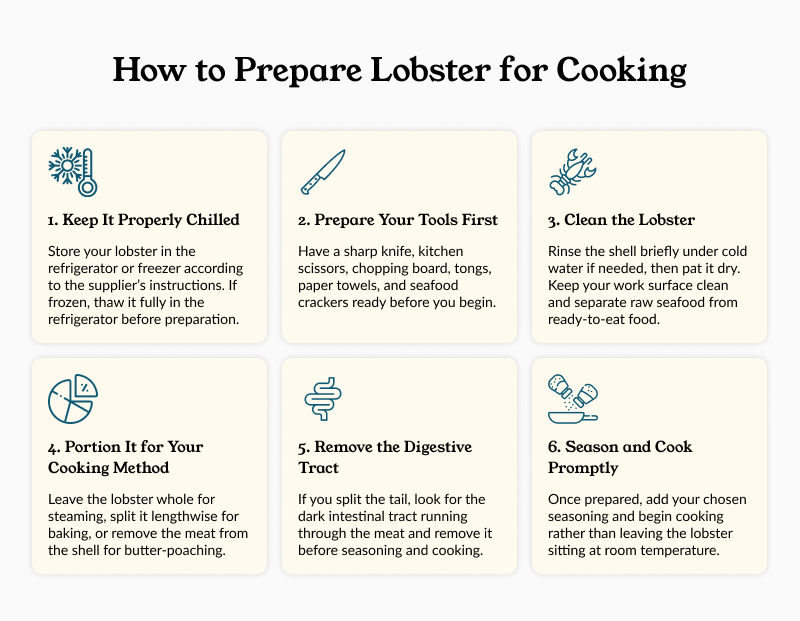
Good preparation makes how to cook lobster much less stressful. Clear your work area and assemble everything before you begin.
Tools We Recommend Having Ready
For most beginner lobster cooking methods, we would prepare:
- A large pot with a lid
- A steaming rack or basket
- Kitchen tongs
- A sharp chef’s knife and kitchen scissors
- A sturdy chopping board
- Seafood cracker tool
- Paper towels and a bowl for shells
- An instant-read food thermometer, if available
Prepare sauces and sides first. Once lobster starts cooking, a few extra minutes can mean overcooking it.
How to Store Live Lobster Before Cooking
If you are arranging fresh seafood delivery in Singapore, choose a delivery window that lets you cook live lobster on the same day where possible.
Keep it cold, moist, and ventilated in the refrigerator. Do not submerge it in fresh water or seal it in an airtight container. If plans change, ask the supplier for product-specific storage advice.
The Singapore Food Agency (SFA) advises keeping raw seafood separate from cooked or ready-to-eat food and preventing raw juices from dripping onto other foods. Its food safety tips provide broader guidance on storage and cross-contamination.
Handling a Live Lobster
This is the stage that makes many beginners hesitate when researching how to cook lobster. If you are not confident dispatching a live lobster, ask your seafood supplier whether it can be prepared for you close to cooking time.
If you handle it yourself, one recognised humane method is to place the lobster firmly on a chopping board, position the tip of a sharp knife in the groove just behind its eyes, then press down firmly and quickly to split the head. Some movement may continue afterwards due to reflexes. Cook the lobster promptly after dispatching it.
However, you do not necessarily need to handle a live lobster at home. At Catch of the Day, our lobsters are not sold live, which removes this step from the preparation process. If your lobster arrives chilled or frozen, follow the storage and thawing instructions provided, then proceed with cleaning, portioning, and your chosen cooking method. This can make preparing lobster at home considerably more approachable for first-time cooks.
Cleaning and Portioning
When considering how to prepare lobster for cooking, let the cooking method determine the preparation.
For steaming, the lobster can usually remain whole. For baking, split it lengthwise so the meat is exposed. For butter-poaching, remove the meat from the shell first.
If you split the tail, remove the dark intestinal tract if visible. After raw lobster touches a board, knife, or counter, wash and dry the equipment before using it for cooked food. SFA also advises separating raw and ready-to-eat foods and cleaning utensils between uses.
Three Beginner-Friendly Lobster Cooking Methods
There is no single correct answer to how to cook lobster.
When deciding how to cook lobster at home, we would choose among steaming, garlic butter baking, and butter-poaching depending on the result you want.
1. Steamed Lobster
If a friend asked us how to cook lobster for the very first time, steaming would be one of our first recommendations. It is simple and keeps the meat in a moist cooking environment.
What You Need
- 1 whole lobster
- About 5 cm of water
- A steaming rack or basket
- Melted butter and lemon for serving
Method
- Bring the water to a strong simmer or boil beneath the steaming rack.
- Place the prepared lobster in the steamer and cover immediately.
- Steam according to size, checking earlier rather than relying on one fixed time.
- Check the thickest part of the tail for doneness.
- Remove the lobster and rest it briefly before cracking and serving.
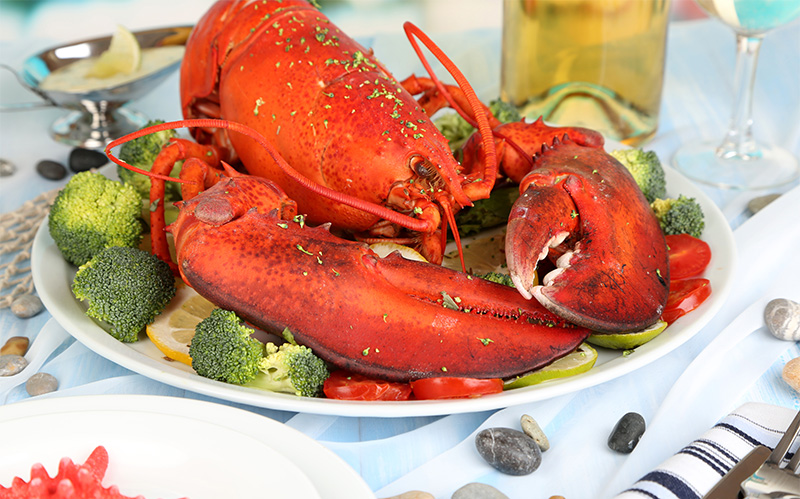
For a lobster around 400 to 500 g, roughly 8 to 10 minutes can be a useful starting range, although pot size, starting temperature, and lobster size can change the result. Do not keep cooking simply because you want a deeper red shell. Shell colour alone is not a reliable test of doneness.
Once we know how to cook lobster by steaming, the meat can be served with garlic butter and lemon or used in pasta, rice, noodles, or salad.
2. Garlic Butter Baked Lobster
Baking is our pick when you want a restaurant-style presentation without a difficult technique. It also lets you season the exposed meat directly.
Mix butter with minced garlic, lemon juice, black pepper, parsley, and a small pinch of salt.
To use this method when learning how to cook lobster:
- Preheat the oven to 200°C.
- Split the prepared lobster lengthwise and place the halves shell-side down.
- Remove the intestinal tract if visible and pat the exposed meat dry.
- Brush with garlic butter.
- Bake until the meat is opaque and just firm.
- For browning, finish briefly under the grill while watching closely.
For a smaller lobster, begin checking around the 10-minute mark. Oven performance and lobster size vary, so treat timing as a guide. We also use only enough butter to baste and flavour the surface.
3. Butter-Poached Lobster
Butter-poaching is richer but useful if you want especially tender tail or claw meat. Unlike steaming, the lobster meat is removed from the shell before cooking.
When people ask how to cook lobster without drying out the tail, this gentle method is worth considering. Melt butter over low heat, add garlic or herbs if desired, and keep it hot without letting it fry aggressively.
Add the lobster meat and cook gently, turning as needed, until opaque and tender. A thermometer gives you more control. A commonly cited conservative food-safety benchmark for shellfish is 63°C/145°F.
We like butter-poached lobster with garlic rice, pasta, toasted bread, or simple vegetables.
How to Tell When Lobster Is Cooked
Knowing how to tell when lobster is cooked matters more than memorising one universal time.
We look for several signs together:
- The meat changes from translucent to opaque.
- The tail feels firm but still has some give.
- The shell may turn bright red, but colour is not the only test.
- An instant-read thermometer in the thickest meat provides a more objective check.
The most common error when learning how to cook lobster is adding extra minutes “just to be safe”. Timing should tell you when to start checking, not replace checking. Cooking guidance also warns that shell colour and fixed timing can mislead when used alone.
Common Beginner Mistakes We Would Avoid
After choosing how to cook lobster, a few small decisions can still change the result.
Overcooking It
Lobster does not become more tender the longer it cooks. Too much heat makes the meat dry and springy, so start checking before the upper end of your estimated time.
Starting Without Everything Ready
Prepare sauces, plates, crackers, and sides first. Do not leave lobster cooking while you start chopping garlic or searching for utensils.
Using the Red Shell as the Only Doneness Cue
Use colour together with meat opacity, texture, timing, and preferably temperature. The shell alone cannot tell you precisely what is happening in the thickest part.
Hiding It Under Heavy Sauce
While learning how to cook lobster, simpler seasoning makes it easier to judge your technique. Save stronger sauces for later attempts once you know the texture you are aiming for.
Conclusion
Once you understand how to cook lobster, the process becomes less about restaurant technique and more about organisation and timing. Keep the seafood chilled, prepare the kitchen first, choose one method, and start checking early.
At Catch of the Day, we recommend steaming for the simplest whole-lobster experience and baking with garlic butter when you want extra flavour. Butter-poaching is a useful next step once you are comfortable removing the meat.
Our approach to how to cook lobster is not to chase one magic cooking time. With fresh seafood, the right tools, and reliable doneness cues, a home-cooked lobster dinner is much more achievable than it first appears.
Ready to try it? Shop now for seafood you can plan into your next home-cooked meal.
Frequently Asked Questions
Can I Cook Lobster Tails Instead of a Whole Lobster?
Yes. If handling a live whole lobster is the main barrier, tails are a practical starting point. They can be baked, grilled, steamed, boiled, or poached. Frozen tails should generally be thawed safely first for more even cooking.
How Long Should I Cook a Lobster?
There is no universal time. Size, cooking method, starting temperature, and whether the lobster is whole or portioned all matter. When learning how to cook lobster, use timing to decide when to start checking, then confirm doneness from the meat. Conflicting timing advice is a recurring concern in beginner cooking forums.
How Do I Know If I Have Overcooked It?
Overcooked lobster tends to be tight, rubbery, chewy, or dry rather than tender. If this happens, shorten the cooking time next time and begin checking sooner.
Can I Cook Lobster in an Air Fryer?
Yes, especially split lobster tails or halves. Circulating heat can cook exposed meat quickly, so brush it lightly with butter or oil and check early. For a first attempt at how to cook lobster, we still prefer steaming or oven-baking because they are easy to monitor.
Can I Use Lobster in Chilli Crab or Black Pepper Sauce?
Yes. Lobster’s firm texture works well with sauce-based dishes. We suggest cooking it until nearly done, then finishing it briefly in the sauce rather than simmering fully cooked meat for a long time.
Where Should I Buy Lobster for Home Cooking?
Choose a seafood supplier that provides clear product information and a delivery window that lets you cook the lobster promptly. If you are deciding where to buy fresh seafood in Singapore, plan the recipe before ordering so you know whether you need a whole live lobster, tails, or another format.