Salted Egg Shell Out Recipe: A Creamy Seafood Feast for Sharing
Prep time: 25 minutes
Cook time: 25 minutes
Servings: 3–4 people
Key Takeaways
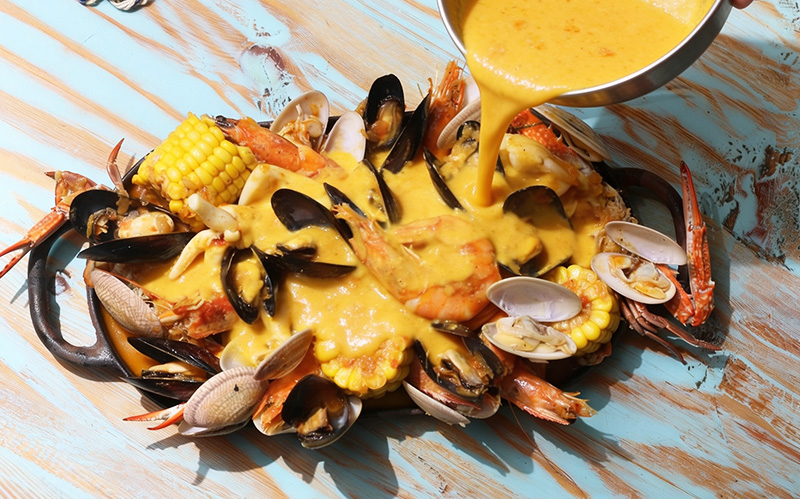
- This salted egg shell out recipe combines prawns, crab, mussels or clams, squid, potatoes and corn in a creamy sauce made with salted egg yolks, butter, curry leaves, garlic and evaporated milk.
- Cook the seafood separately before combining it with the sauce. Crabs need the longest cooking time, while prawns and squid should be cooked briefly to retain their texture.
- Keep the salted egg sauce over medium heat and add the evaporated milk gradually. This helps create a smooth coating without the butter and milk separating.
- Fresh seafood, properly cleaned shellfish and pre-cooked potatoes and corn help the final platter taste balanced rather than watery or overcooked. For home cooks planning a gathering, seafood delivery in Singapore can also make it easier to prepare the ingredients ahead of time.
- Serve the salted egg shell out immediately on a tray or lined table with rice, mantou or vegetables for a shareable Singapore-style seafood meal.
Ingredients
Seafood
- 500g fresh prawns
- 2 flower crabs, cleaned and chopped
- 300g mussels or clams
- 200g squid rings
Other Ingredients
- 2 corn cobs, cut into pieces
- 8–10 baby potatoes, boiled
For the Salted Egg Sauce
- 4 salted egg yolks, steamed and mashed
- 3 tbsp butter
- 4 cloves garlic, minced
- 1–2 bird’s eye chillies, sliced
- 1 sprig curry leaves
- 150ml evaporated milk
- 1 tsp sugar
- Black pepper, to taste
Step-by-Step Salted Egg Shell Out Recipe
Step 1: Prepare the Seafood
Clean all seafood, then pat it dry thoroughly. Keep the prawns, crab, shellfish and squid in separate bowls because they will not cook at the same speed.
Step 2: Cook the Potatoes and Corn
Boil the baby potatoes for about 12 to 15 minutes, or until a knife can enter with slight resistance. Add the corn during the final 5 minutes of cooking.
Drain well and set aside. The potatoes should be nearly tender at this stage, as they will warm through again when tossed with the salted egg sauce.
Step 3: Cook the Seafood Separately
Bring a large pot of water to a steady boil. Cook the seafood in batches so each ingredient has enough space to cook evenly.
Start with the chopped flower crab. Boil for about 8 to 10 minutes, depending on the size of the pieces, until the shell turns bright orange and the meat is firm, pearly and opaque. Check the thickest part of a claw or body section before removing it from the pot. If using a food thermometer, the centre of the crab meat should reach 63°C.
Next, cook the mussels or clams for about 3 to 5 minutes, until their shells open. Discard any shellfish that remain closed after cooking.
Blanch the squid rings for 45 to 60 seconds, just until they turn opaque and curl slightly. Remove them promptly to prevent a rubbery texture.
Finally, cook the prawns for about 2 to 3 minutes, depending on their size, until they turn pink and opaque with firm flesh.
Set each cooked ingredient aside separately. The seafood is fully cooked at this point, so the sauce stage is for coating and reheating rather than completing the cooking process.
The key to a salted egg shell out recipe is timing. Crabs need longer heat, while squid and prawns should spend only a short time in the pot to stay tender.
Set all cooked seafood aside. Do not leave it sitting in hot water, as the residual heat can continue cooking it.
Step 4: Build the Salted Egg Sauce
Melt the butter in a large wok or wide pan over medium heat. Add the garlic, bird’s eye chillies and curry leaves. Stir until the garlic smells fragrant and the curry leaves begin to crisp slightly.
Add the mashed salted egg yolks. Stir continuously for about one minute, allowing the yolks to combine with the butter and become lightly foamy.
Step 5: Create a Creamy Consistency
Pour in the evaporated milk gradually while stirring. Add sugar and black pepper, then taste before adding any salt. Salted egg yolks and shellfish already contribute saltiness, so extra seasoning may not be necessary.
The sauce should be creamy enough to coat the ingredients, rather than thin like soup. If it looks too thick, add a small splash of water. If it looks oily, lower the heat and stir gently until it comes together.
This method also makes a useful seafood boil sauce recipe for prawns, crayfish or clams when you want a local salted egg twist instead of a spicy butter sauce.
Step 6: Combine Everything
Lower the heat to medium-low. Add the fully cooked crab, mussels or clams, squid, prawns, potatoes and corn to the salted egg sauce.
Toss gently for 1 to 2 minutes, until every ingredient is evenly coated and heated through. Avoid vigorous stirring, as this can break up the crab and cause the squid to toughen.
Do not leave the seafood simmering in the sauce. The crab is already cooked, while the prawns and squid only need enough time to warm through and pick up the salted egg coating.
Step 7: Serve Immediately
Transfer everything onto a large tray, baking paper or a lined table surface. Serve while hot with steamed rice, mantou or a simple plate of stir-fried vegetables to balance the richness.
A Seafood Feast Built for Sharing
Shell-out seafood meals bring the familiar experience of a Singapore seafood feast to the dining table. Prawns, crabs, mussels, squid, corn and potatoes are served together on a large tray or lined table, so everyone can help themselves.
This salted egg shell out recipe takes inspiration from zi char favourites while using a practical cooking method for home kitchens. The aim is simple: cook each type of seafood until just done, then coat everything in a creamy salted egg sauce without losing the ingredients’ natural sweetness or texture.
It is particularly useful when you are cooking for family members who enjoy different types of seafood. Instead of preparing several separate dishes, you can build one generous platter with a mix of shellfish, vegetables and sauce-coated sides.
Why Salted Egg Works So Well with Seafood
Salted egg sauce works well with seafood because it adds savoury richness without needing a long list of seasonings. The yolks bring umami and a lightly grainy texture, while butter, curry leaves and garlic create the aroma commonly associated with salted egg zi char dishes.
For home cooks learning how to make salted egg sauce, the key is to keep the heat moderate. High heat can cause the butter and evaporated milk to separate, leaving the sauce oily instead of smooth.
The combination works particularly well because:
- Seafood brings natural sweetness and a gentle briny flavour.
- Salted egg yolk adds depth and savouriness.
- Butter and curry leaves give the sauce a fragrant finish.
- A creamy sauce clings well to prawns, crab and shellfish without needing to be overly thick.
Choosing the Right Seafood for a Shell Out
One of the reasons a shell-out meal feels satisfying is the contrast between the ingredients. Firm prawns, sweet crab meat, briny mussels and springy squid each bring something different to the tray.
Prawns
Fresh prawns are a dependable choice because they cook quickly and hold their shape well in sauce. Larger prawns are especially useful for a sharing platter, as they are easier to peel and less likely to dry out during cooking.
For a seafood feast, fresh prawn delivery can make planning easier, particularly when you need enough prawns for several people without making a separate wet-market trip.
Crabs
Flower crabs work well in this dish because their sweet meat pairs naturally with the savoury sauce. Mud crabs can also be used for a richer, meatier version, depending on availability and budget.
Crab takes longer to cook than prawns or squid, so it should be prepared first rather than added to the sauce with everything else.
Mussels and Clams
Mussels and clams contribute a stronger seafood flavour that balances the butter and salted egg yolk. Rinse them thoroughly and discard any shells that are cracked before cooking.
After steaming or blanching, discard shellfish that remain closed.
Squid
Squid adds a softer, bouncy texture that contrasts with crab and shellfish. It needs very little cooking time. Leaving it in boiling water or sauce for too long can make it tough.
For everyday cooking, squid rings are convenient, but whole squid can also be cleaned and sliced into bite-sized pieces.
For home cooks planning a mixed seafood platter, ordering shellfish online can be useful when you want to compare available prawns, crabs, mussels and squid before deciding what suits your meal.
Pre-Preparation: Setting Up for Better Results
A shell-out dish comes together quickly once the seafood is cooked. Preparing ingredients before turning on the stove helps you avoid overcooking the prawns or squid while making the sauce.
1. Clean Seafood Thoroughly
Rinse prawns, crabs, mussels, clams and squid under cold running water. Remove visible grit from shellfish and pat the seafood dry with kitchen paper. Less surface moisture helps the sauce coat the seafood more evenly later.
2. Prepare Ingredients in Advance
Steam and mash the salted egg yolks before you start cooking. Mince the garlic, slice the chillies and separate the curry leaves. Have the evaporated milk measured and ready beside the stove.
3. Avoid Overcrowding
Cook seafood in batches where necessary. A crowded pot drops in temperature quickly, which can leave some ingredients undercooked while others stay in the heat too long.
4. Steam or Boil Harder Ingredients First
Potatoes and corn need more time than seafood. Boil the potatoes until nearly tender, then add the corn during the last few minutes. They should finish cooking without turning too soft when tossed in the sauce.
Tips for Better Texture and Flavour
- Keep the sauce over medium heat so the butter and milk do not split.
- Add squid and prawns only after the sauce is ready, rather than simmering them in it.
- Use fresh curry leaves where possible, as dried leaves will not provide the same aroma.
- Taste the sauce before adding salt because salted egg yolks vary in saltiness.
- Serve promptly. The sauce thickens as it cools, and seafood is at its best soon after cooking.
Variations to Try
1. Spicier Shell Out
Add more bird’s eye chillies or chilli flakes when frying the garlic and curry leaves. Start with a small amount, then adjust after tasting the sauce.
2. Cheese Salted Egg Version
Add a small handful of finely grated cheese after the evaporated milk has been stirred in. Keep the amount modest, as too much cheese can overpower the seafood and make the sauce heavy.
3. Mixed Seafood Upgrade
Scallops, crayfish or lobster can be added for a more premium platter. Cook each ingredient separately according to its size before tossing it through the finished sauce.
As a guide, sear scallops for about 1 to 2 minutes per side until opaque, while crayfish and lobster should be cooked until the shell turns bright red and the meat becomes firm and opaque. Avoid adding raw optional seafood directly into the sauce, as cooking times vary and may affect the texture of the prawns, squid and shellfish already in the platter.
4. Lighter Sauce Version
Reduce the butter slightly and use a little less evaporated milk. You will still get the salted egg flavour, but with a thinner coating that lets the seafood stand out more clearly.
A Dish That Brings People Together
A shell-out meal is designed for sharing. It is casual enough for a weekend family dinner, yet substantial enough for gatherings where everyone wants to try a little of everything.
This salted egg shell out recipe also gives home cooks more control over the final platter. You can include more prawns for children, add extra chilli for adults, or swap the shellfish according to what is available that day. It is a practical way to recreate the appeal of a zi char seafood recipe without needing several woks or separate dishes.
Fresh Seafood Makes the Difference
Because seafood is the centrepiece of this dish, its condition affects the final flavour and texture. Prawns should feel firm, squid should not be overly watery, and shellfish should be properly cleaned before cooking.
Catch of the Day SG offers shellfish such as prawns, squid, clams and seasonal crab options, alongside whole fish, fillets and value seafood bundles. Their daily catch selection is updated based on availability, so it is worth checking the shop before planning your platter. Orders placed before 8pm are eligible for next-day delivery from Tuesday to Sunday, while Monday deliveries are unavailable.
For convenient seafood delivery, browse Catch of the Day SG’s range before your next gathering. Shop now for the seafood you need to make this salted egg shell out recipe.
Frequently Asked Questions
Can I use frozen seafood for this salted egg shell out recipe?
Yes, frozen seafood can be used when fresh options are unavailable. Thaw it fully in the refrigerator, drain any excess liquid and pat it dry before cooking. This helps prevent the sauce from becoming watery.
How do I stop the salted egg sauce from splitting?
Keep the heat at medium or lower after adding the evaporated milk. Stir continuously and avoid bringing the sauce to a strong boil. If it looks too thick, add a small splash of water and stir gently.
What seafood can I add to a salted egg shell-out platter?
Prawns, flower crabs, mussels, clams and squid are practical choices. You can also add scallops, crayfish or lobster for a larger gathering, but cook each item separately according to its required cooking time.
Can I make the sauce less rich?
Yes. Reduce the butter slightly and use less evaporated milk. Adding more corn, potatoes or vegetables can also spread the sauce across the platter without making the dish feel too heavy.
What should I serve with salted egg shell out?
Steamed rice, mantou or toasted bread work well for soaking up the sauce. A simple stir-fried vegetable dish or cucumber salad can provide a fresher contrast to the creamy salted egg flavour.