Shrimp Paste Recipe: How to Make Chinese-Style Shrimp Paste at Home
Prep time: 20 minutes
Cook time: 6-8 minutes
Servings: Enough for 2–3 dishes
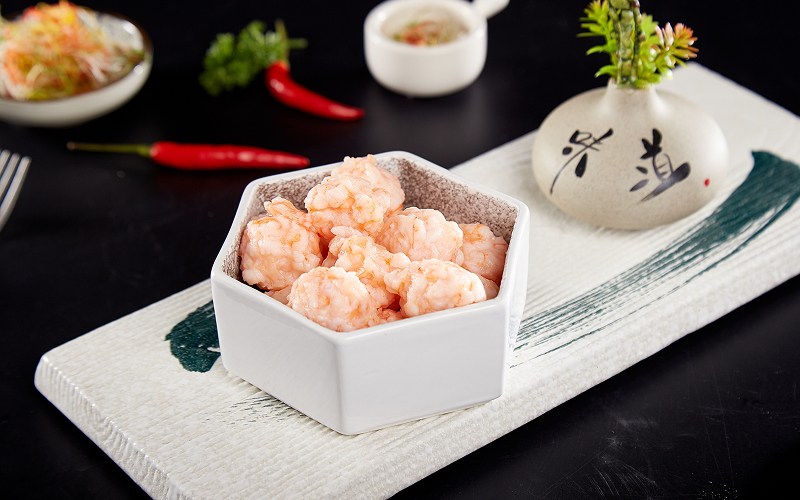
Fresh Chinese-style shrimp paste is a useful seafood base for home cooks who enjoy hotpot, dumplings, stuffed tofu and fried snacks. It is mild, naturally sweet and slightly springy when mixed properly, making it very different from the strong, savoury paste used in sambal.
This shrimp paste recipe focuses on fresh minced shrimps rather than fermented shrimp paste. It takes around 20 minutes to prepare, requires only a few common pantry ingredients and makes enough for two to three dishes.
Key Takeaways
- Fresh Chinese-style shrimp paste is a minced shrimp mixture used as a filling, topping or seafood base.
- It is different from belacan, which is fermented and used mainly as a seasoning.
- Patting the shrimps dry and mixing the paste in one direction helps create a firmer, springier texture.
- Medium shrimps with firm, translucent flesh are usually easier to work with than very small prawns.
- Ordering shellfish online can be practical when you need fresh shrimps for hotpot, dumplings or other home-cooked seafood dishes.
Ingredients
For this shrimp paste recipe, you will need:
- 300g fresh shrimp, peeled and deveined
- 1 tsp salt
- ½ tsp sugar
- ¼ tsp white pepper
- 1 tsp sesame oil
- 1 tsp cornflour or tapioca starch
- 1 egg white, optional
- 1 small piece ginger, grated, optional
The egg white is optional, but it can give the paste a slightly lighter and springier texture. Ginger is useful when you want a subtle fragrance without altering the shrimp’s natural sweetness.
Step-by-Step Shrimp Paste Recipe
Step 1: Prepare the Shrimp
Rinse the shrimp briefly if needed, then pat them dry thoroughly with kitchen paper. Excess moisture can make the mixture loose and watery, which affects how well it holds its shape during cooking.
Keep the shrimps cold while preparing them. This is particularly useful when making paste for hotpot or patties, where a firmer mixture is easier to portion.
Step 2: Chop or Blend
Use a knife to chop the shrimps into a paste, or pulse them in a food processor.
For a more traditional texture, avoid blending until completely smooth. Leaving a few small pieces of shrimps creates a more satisfying bite after cooking. The mixture should look coarse and sticky rather than like a runny purée.
Step 3: Season the Paste
Add the salt, sugar, white pepper, sesame oil and starch. Mix in the egg white and grated ginger at this stage if you are using them.
The seasoning should support the shrimps rather than overpower them. Fresh Chinese-style shrimp paste is meant to taste clean and mildly sweet, especially when it is used in clear hotpot broth or steamed dishes.
Step 4: Mix Until Sticky
Stir the mixture firmly in one direction for several minutes. As the proteins in the shrimp work together, the paste becomes stickier and slightly elastic.
This step is what gives the finished paste its springy texture. Do not rush it, but avoid adding extra starch to force the mixture to bind. Too much starch can make seafood patties or dumpling fillings feel rubbery.
Step 5: Chill Before Use
Cover the paste and refrigerate it for 15 to 20 minutes before cooking. Chilling allows the mixture to firm up, making it easier to spoon into soup, spread onto bread or shape into small patties.
Suggested Use: Pan-Fried Shrimp Patties
One easy way to use fresh shrimp paste is to turn it into small pan-fried shrimp patties. The mixture holds together well in the pan and develops a lightly springy texture once cooked.
Lightly wet or oil your hands before shaping the paste to prevent it from sticking. Scoop the chilled mixture into small portions and form patties about 1.5cm thick.
Heat a thin layer of oil over medium heat, then cook for around three to four minutes on each side until lightly browned and opaque through the centre. Avoid pressing the patties flat while cooking, as this can force out moisture and make them firmer than intended.
Serve with chilli sauce, sambal belacan or a light soy-based dip alongside rice, noodles or porridge.
Understanding Shrimp Paste in a Singapore Context
In Singapore, “shrimp paste” can refer to two very different ingredients. Knowing which one a recipe calls for helps prevent unexpected results, especially when preparing Chinese dishes at home.
The first is fermented shrimp paste, commonly known as belacan. It has a concentrated aroma and salty flavour, and is often used in sambal, stir-fries and dipping sauces. It is also the type of shrimp paste usually associated with Har Cheong Gai, where fermented shrimp paste adds its distinctive savoury flavour to fried chicken.
The second is fresh Chinese-style shrimp paste. This is a smooth or slightly coarse mixture made from raw shrimps, chopped or blended with seasoning. It is mild, lightly sweet and valued for its bouncy bite after cooking.
This shrimp paste recipe is for the fresh version, not belacan. It is particularly useful when you want a seafood filling that holds together in soup, when steaming, or when frying.
Fresh shrimp paste is commonly used in:
- Chinese hotpot
- Dumplings and wontons
- Shrimp toast
- Stuffed tofu, mushrooms or chillies
- Handmade seafood patties
What Makes Fresh Shrimp Paste Different?
Fresh shrimp paste is made to provide texture rather than strong seasoning. A good batch should feel sticky before cooking, then become tender with a gentle springiness once heated.
Unlike belacan, this type of homemade shrimp paste works as a filling, topping or base ingredient, rather than something added in small amounts to season an entire dish.
One reason it is popular in Chinese cooking is its flexibility. You can keep the flavour simple for hotpot, add water chestnuts for crunch, or combine it with pork for dumplings. A small amount of starch or egg white may also be added to help the mixture bind and develop a firmer texture.
Choosing the Right Shrimp
The shrimps are the main ingredient, so their condition affects both flavour and texture. Medium shrimp is often a practical choice because it offers enough sweetness without becoming overly soft when processed.
Look for shrimps with:
- A mild ocean smell rather than a sour or ammonia-like odour
- Firm flesh that does not feel mushy
- Slightly translucent flesh without dull or dry-looking patches
- Shells that are intact and not excessively slimy, if buying unpeeled shrimps
Peeled and deveined shrimp save preparation time, but whole shrimp can be more convenient when you are already planning other seafood dishes. For everyday cooking, it is best to keep the shrimps chilled until you are ready to chop or blend them.
For home cooks, buying seafood online offers a convenient alternative for sourcing fresh shrimps when wet market opening hours, travel time or busy schedules make in-person shopping less practical.
Tips for Better Texture
A few small adjustments can improve the final result:
- Keep the shrimps cold while chopping and mixing.
- Pat them dry before processing.
- Mix the paste in one direction until sticky.
- Use starch sparingly.
- Cook in small portions so the centre heats through evenly.
- Do not overcook, as shrimps can become tough quickly.
Storage Tips
Fresh shrimp paste should be kept cold and used promptly.
- Store it in an airtight container in the fridge for up to two days.
- Freeze it in smaller portions if you are preparing ahead.
- Thaw frozen portions gradually in the fridge before cooking.
- Do not leave raw shrimp paste at room temperature while preparing other ingredients.
Planning portions before arranging online seafood delivery can also reduce waste, particularly when you are buying shrimps for several dishes such as hotpot, dumplings and seafood patties.
A Versatile Seafood Base for Home Cooking
Fresh shrimps give this shrimp paste recipe its clean sweetness and springy texture, especially in dishes where the seafood is the main ingredient. Keep the shrimps cold, pat them dry before chopping, and avoid overcooking the finished paste to retain a tender bite.
For home cooks planning hotpot, dumplings or shrimp toast, Catch of the Day SG offers a range of shrimps and shellfish through its online shop. The local, family-run seafood business draws on more than 40 years in Singapore’s seafood trade, with daily catches updated based on availability at Jurong Fishery Port. Orders placed before 8 pm are eligible for next-day delivery from Tuesday to Sunday, with islandwide delivery across most of Singapore and free delivery for orders above $70.
Shop now to order shrimp for your next batch of fresh Chinese-style shrimp paste and have your seafood delivered to your doorstep.
Frequently Asked Questions
Is fresh shrimp paste the same as belacan?
No. Belacan is a fermented seasoning with a strong aroma and salty flavour, commonly used in sambal and dishes such as Har Cheong Gai. Fresh shrimp paste is made from raw minced shrimp and is usually used as a filling, topping or seafood base.
Why is my shrimp paste too soft or watery?
The shrimps may not have been dried thoroughly before chopping or blending. Pat them dry with kitchen paper and keep them chilled while preparing the mixture. Using too much egg white can also make the paste looser.
Do I need a food processor to make shrimp paste?
No. You can chop the shrimps finely with a knife or cleaver. Hand-chopping leaves small pieces of shrimp in the mixture, which can give the cooked paste a more textured bite.
How do I make the paste springier?
Mix the seasoned shrimp mixture in one direction for several minutes until it becomes sticky and slightly elastic. Chilling it for 15 to 20 minutes before cooking also helps it firm up and hold its shape.
How long can I keep uncooked shrimp paste?
Store uncooked paste in an airtight container in the refrigerator and use it within two days. For longer storage, freeze it in smaller portions and thaw it in the fridge before cooking.