Sambal Stingray Recipe: How to Recreate Singapore’s BBQ Classic
Prep Time: 20 minutes
Cook Time: 20 minutes
Servings: 2–3 people
Key Takeaways
- A good sambal stingray recipe relies on balancing smoky, spicy, sweet, and savoury flavours while keeping the fish moist.
- Banana leaves play an important role in protecting fish from direct heat and adding fragrance during cooking.
- Understanding how to prepare stingray properly helps improve texture and prevent the flesh from drying out.
- Making your own sambal recipe allows you to adjust the spice level and flavour balance to suit your household.
- Access to reliable fresh seafood delivery in Singapore makes it easier to recreate hawker favourites at home with quality ingredients.
Sambal Stingray: Singapore’s Favourite BBQ Seafood Dish
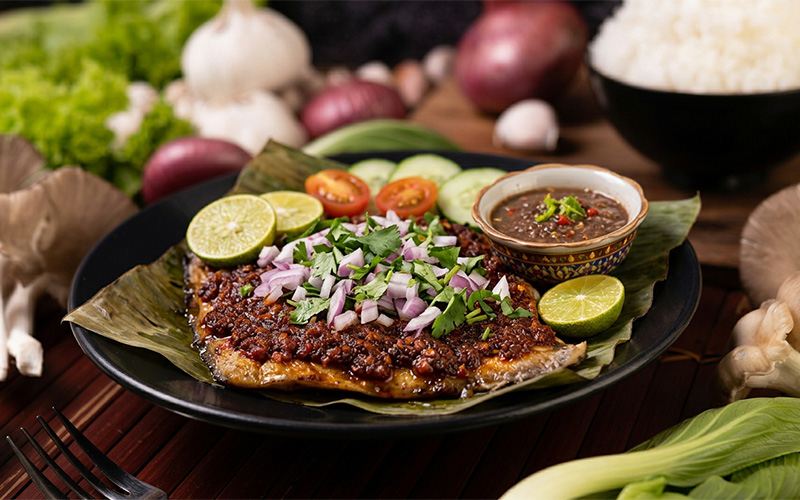
Few dishes capture the spirit of Singapore’s hawker culture quite like sambal stingray. Served sizzling on banana leaf at popular seafood centres such as East Coast Lagoon Food Village and Newton Food Centre, it is smoky, spicy, aromatic, and deeply satisfying.
The appeal of sambal stingray lies in its contrast of textures and flavours. The fish itself is delicate and moist, while the sambal delivers layers of heat, sweetness, savouriness, and umami. A squeeze of calamansi at the end brightens the entire dish and cuts through the richness.
The good news is that you do not need a commercial charcoal grill to enjoy this local favourite. With the right ingredients and a few simple techniques, this sambal stingray recipe can be recreated successfully in a home kitchen.
Why Sambal Stingray Is So Distinctive
Unlike many common fish varieties, the stingray has a unique texture that works exceptionally well with sambal. The flesh is soft and fibrous, allowing it to absorb flavour while remaining juicy during cooking.
Several elements work together to create the dish that Singaporeans know and love.
A Bold Yet Balanced Sambal
The sambal should deliver heat without overwhelming the fish. A well-made sambal combines chillies, belacan, aromatics, sweetness, and acidity to create depth rather than pure spiciness.
Moist and Tender Fish
Stingray can dry out if overcooked. Gentle cooking allows the flesh to remain succulent while still fully absorbing the sambal.
Banana Leaf Aroma
Traditional hawker stalls typically serve stingray on banana leaf. Beyond presentation, the leaf helps retain moisture and adds a subtle fragrance that contributes to the overall flavour profile.
Fresh Garnishes
Fresh onions, sliced chillies, and calamansi provide contrast and brightness, helping balance the richness of the sambal.
Understanding How to Prepare Stingray Fish
Learning how to prepare stingray fish correctly can make a significant difference to the final result.
Fresh stingray typically arrives with a natural layer of surface moisture. Before cooking, rinse it lightly and pat it dry thoroughly with kitchen towels. Removing excess moisture helps the sambal adhere better and encourages more even cooking.
If your stingray contains cartilage sections, there is no need to remove them. The cartilage softens slightly during cooking and is commonly left intact in traditional hawker-style preparations.
For thicker cuts, allowing the fish to sit at room temperature for around 15 minutes before cooking can help promote more even heat distribution.
Pre-Preparation Considerations
Before you begin cooking, a little preparation goes a long way in ensuring your dish turns out close to what you would expect from a hawker stall.
Choosing the Right Stingray Cut
Look for fresh stingray wings with a light pink or beige tone. The flesh should feel firm and springy rather than mushy.
Smaller portions are generally easier for home cooks to manage because they cook more evenly and fit comfortably into conventional ovens and air fryers.
When purchasing seafood, many households today rely on fresh whole fish delivery services to save time while maintaining quality.
Fresh vs Frozen Stingray
Frozen stingray can still produce excellent results when handled correctly.
Allow the fish to thaw slowly overnight in the refrigerator. Avoid thawing at room temperature, as this can affect texture and food safety.
Once thawed, pat the fish dry thoroughly before applying the sambal.
Many home cooks prefer purchasing fresh stingray through a fresh fish delivery service, especially when preparing dishes where texture and moisture retention play an important role in the final result.
Homemade or Store-Bought Sambal
A traditional homemade sambal recipe offers maximum control over flavour. You can adjust the spice level, sweetness, and saltiness according to personal preference.
For convenience, a good-quality store-bought sambal can also work well. Many home cooks enhance prepared sambal with additional belacan, garlic, shallots, and tamarind to create a more robust flavour profile.
Preparing the Banana Leaf
Banana leaves can crack when folded if used straight from the packet.
Pass the leaf briefly over an open flame or dip it into hot water for a few seconds. This softens the fibres and makes the leaf easier to work with.
Choosing a Cooking Method
While charcoal grilling remains the traditional method, modern kitchens offer several practical alternatives:
- Oven baking
- Oven grill function
- Air fryer
- Covered stovetop grilling pan
Each method can produce excellent results when moisture and cooking time are managed carefully.
Ingredients You Will Need
For the Stingray
- 1 stingray wing (500–700g)
- 1–2 pieces of banana leaf
- Light seasoning of salt
For the Sambal
- 4–5 tbsp sambal chilli paste
- 1 tbsp toasted belacan
- 1 tbsp sugar
- 1 tsp tamarind paste or juice
- 2 cloves garlic, minced
- 2 shallots, finely chopped
- 1–2 tbsp cooking oil
For Garnish
- Calamansi limes
- Sliced red chilli
- Chopped onions
- Optional cucumber slices
- Optional sambal kangkong
Step-by-Step Sambal Stingray Recipe
Step 1: Prepare the Sambal
Heat oil over medium heat.
Add garlic and shallots and cook until fragrant. Stir in the sambal paste and belacan, allowing the mixture to fry gently until aromatic and slightly darker in colour.
Add sugar and tamarind, then taste and adjust the balance of sweetness, acidity, and heat.
Set aside.
Step 2: Prepare the Fish
Pat the stingray dry thoroughly.
Lightly season with salt and place it on the prepared banana leaf.
Ensure the leaf is large enough to support the fish comfortably during cooking.
Step 3: Apply the Sambal
Spread a generous layer of sambal across the entire surface of the stingray.
Do not be shy with the sambal. A substantial layer helps keep the fish moist while delivering the flavour that defines the dish.
Step 4: Cook the Stingray
Oven Method (Recommended)
- Preheat oven to 200°C.
- Place the banana leaf and stingray on a baking tray.
- Bake for 15–20 minutes.
For additional smokiness, switch the oven to grill mode for the final 3–5 minutes.
This creates slight charring on the sambal and helps replicate the flavour of hawker-style BBQ stingray.
Step 5: Check for Doneness
The fish should become opaque and separate easily with a fork.
Avoid excessive cooking time, as the flesh may lose moisture and become less tender.
Step 6: Garnish and Serve
Top with sliced onions and red chillies.
Serve immediately with calamansi on the side and steamed rice for a complete meal.
Common Mistakes to Avoid
Even a simple sambal stingray recipe can be affected by a few common mistakes.
Overcooking the Fish
Stingray cooks relatively quickly. Monitor cooking time carefully, especially when using thinner cuts.
Using Wet Fish
Excess moisture can dilute the sambal and affect flavour concentration.
Always pat the fish dry thoroughly before cooking.
Skipping the Banana Leaf
While the dish can be prepared without it, banana leaf contributes significantly to aroma and moisture retention.
Applying Too Little Sambal
The sambal is not merely a topping. It acts as both seasoning and protection against drying out during cooking.
Bringing East Coast Park’s Banana Leaf Stingray Into Your Home
For many Singaporeans, sambal stingray brings back memories of seaside dinners and supper gatherings at East Coast Park.
The iconic banana leaf stingray served at hawker centres combines smokiness, spice, and freshness in a way that feels uniquely local.
Fortunately, recreating that experience at home is more achievable than many people realise.
While you may not have access to a charcoal pit, careful use of your oven’s grill function can produce surprisingly similar results. Combined with a well-balanced sambal and properly prepared banana leaf, the finished dish can deliver much of the same satisfaction that makes hawker-style stingray so popular.
Each attempt allows you to refine the recipe further and develop your own signature version of this Singapore classic.
What to Serve With Sambal Stingray
Sambal stingray pairs well with several classic local side dishes.
Popular options include:
- Sambal kangkong
- Stir-fried vegetables
- White rice
- Fried rice
- Grilled prawns
- Otah
- Fresh cucumber slices
- Achar
These accompaniments help create a complete seafood feast while balancing the richness of the sambal.
Fresh Stingray Delivered to Your Doorstep
The quality of the fish remains one of the most important factors in any successful sambal stingray recipe. Fresh stingray offers better texture, cleaner flavour, and a more enjoyable eating experience overall.
At Catch of the Day SG, we make it easier for home cooks to access quality seafood through a reliable delivery service. Whether you are preparing sambal stingray, steamed fish, or other seafood favourites, having access to properly handled ingredients can make all the difference.
Our selection includes premium seafood, sourced for freshness, allowing you to cook confidently from the comfort of your own kitchen. For households looking for fresh whole fish, we offer a convenient solution that saves time without compromising on quality.
Shop now to browse our range and discover convenient quality seafood you can trust.
Frequently Asked Questions
What is sambal stingray?
Sambal stingray is a popular Singaporean dish made from grilled stingray coated in a spicy sambal sauce, often served wrapped in banana leaves.
Can I use other types of fish for this recipe?
While stingray is traditional, you can substitute it with other firm fish like mackerel or tilapia if stingray is unavailable.
How spicy is sambal stingray?
The spiciness can vary depending on the amount of chilies used in the sambal paste. You can adjust the spice level to suit your taste.
Can I use an air fryer for this sambal stingray recipe?
Yes. Smaller stingray portions can be cooked in an air fryer at approximately 180°C to 190°C. Cooking times may vary depending on thickness.
Can I make sambal in advance?
Yes, you can prepare the sambal paste ahead of time and store it in the refrigerator for up to a week. Just mix it with the stingray before grilling.