Fish Asam Pedas Recipe: A Simple One-Pot Dish
Key Takeaways
- This fish asam pedas recipe combines spicy, tangy, and savoury flavours in a simple one-pot meal.
- Asam pedas is a staple of traditional Malay cuisine and remains popular across Singapore and Malaysia.
- Different fish varieties create different flavour profiles, from rich stingray to delicate sea bass.
- Preparing the rempah properly is one of the most important steps for developing depth of flavour.
- Using fresh fish from an online fish delivery service in Singapore helps preserve texture and lets the spicy tamarind broth shine.
Introduction
Prep time: 20 minutes
Cook time: 30 minutes
Servings: 3–4 people
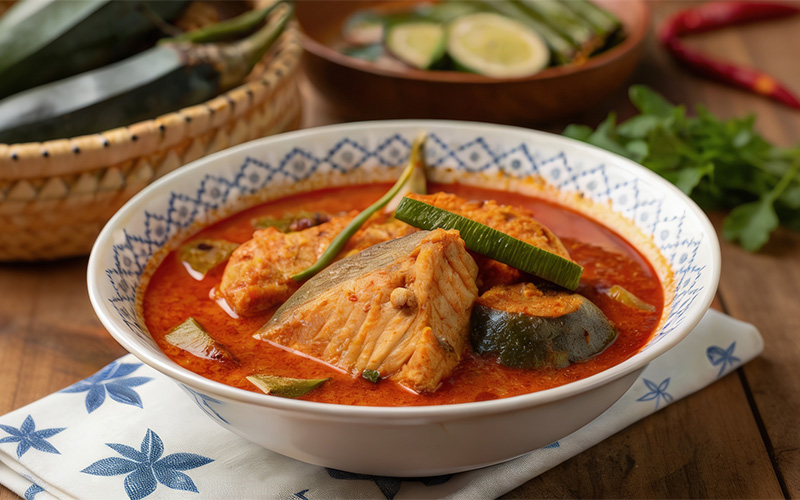
Asam pedas is a dish that you smell before tasting. The aroma of tamarind, chillies, and spices fills the kitchen, building anticipation for a meal that is both bold and comforting.
For many Malay families in Singapore and Malaysia, asam pedas is a familiar dish that regularly appears at the dining table. Whether prepared with stingray, mackerel, or another fresh catch, it remains a popular example of home cooking that balances bold flavours with simple preparation.
This fish asam pedas recipe focuses on simplicity. It strips the process down to a straightforward one-pot method while preserving the signature flavours that have made this dish a favourite across generations. Whether you are preparing a family dinner or looking for a flavourful weekday meal, this spicy tamarind fish stew delivers complexity without requiring complicated techniques.
Step-by-Step Fish Asam Pedas Recipe
Ingredients
For the Fish
- 500–700g fish (stingray, mackerel, snapper, or seabass)
For the Rempah
- 4–5 dried chillies, soaked
- 3 shallots
- 2 cloves garlic
- 1 stalk of lemongrass
- 1 tsp toasted belacan
For the Broth
- 2 tbsp tamarind pulp mixed with ½ cup warm water, strained
- 2 cups water
- 1 tomato, sliced
- 1–2 tbsp cooking oil
- Salt to taste
- Sugar to taste
Optional Additions
- Okra (lady’s fingers)
- Eggplant
- Daun kesum (laksa leaf)
- Fresh herbs
Step 1: Blend the Rempah
Blend the chillies, shallots, garlic, lemongrass, and belacan until smooth.
Step 2: Sauté the Spice Paste
Heat oil in a pot and sauté the rempah over medium heat.
This step should not be rushed. Continue cooking until the paste darkens slightly, becomes fragrant, and the oil begins separating from the mixture. Properly cooking the rempah creates the foundation for the entire dish.
Step 3: Add Tamarind and Water
Pour in the tamarind juice and water.
Stir well and bring the mixture to a gentle boil.
Step 4: Add Vegetables
Add the tomatoes and any vegetables you are using.
Allow them to cook for several minutes until they begin to soften.
Step 5: Add the Fish
Carefully place the fish pieces into the broth.
Reduce to a gentle simmer and cook for approximately 8–10 minutes, depending on the thickness of the fish.
Step 6: Adjust the Seasoning
Taste the broth.
Add salt as needed and balance the sourness with a small amount of sugar if necessary.
The goal is to achieve harmony between heat, acidity, and savouriness rather than allowing one flavour to dominate.
Step 7: Serve
Serve immediately while hot alongside freshly steamed rice.
What Is Asam Pedas?
Asam pedas is a classic dish found throughout Malaysia, Singapore, and parts of Indonesia. The name reflects its defining characteristics: “asam” denotes sourness, typically derived from tamarind, while “pedas” denotes the spiciness of chillies.
Asam pedas has developed many regional variations as a traditional Malay cuisine. Some versions are intensely spicy, while others focus more heavily on the tangy tamarind broth.
One of the most well-known styles is Johor-style ikan asam pedas, which often features a richer spice base and a deeper rempah flavour. Melaka versions may incorporate more aromatic ingredients and subtle sweetness influenced by Peranakan cooking traditions.
In Singapore, asam pedas remains a popular home-cooked dish because it is practical, versatile, and easy to adapt using different types of fish and vegetables.
Why Asam Pedas Works So Well at Home
Many dishes with complex flavours require multiple pots, lengthy preparation, or specialised cooking techniques. Asam pedas is different.
It works particularly well for home cooks because it is:
- Quick to prepare once ingredients are ready
- Easy to customise based on available fish
- Suitable for both small family meals and larger gatherings
- Rich in flavour despite using simple cooking methods
- Made using a single pot, reducing clean-up afterwards
The dish also pairs naturally with steamed rice, making it an easy addition to everyday meal planning.
Choosing the Right Fish
The type of fish you choose has a noticeable impact on the final dish. Different varieties absorb the broth differently and contribute their own texture and flavour.
Before buying seafood, it is useful to understand how to choose fresh fish. Clear eyes, bright skin, firm flesh, and a clean ocean-like smell are generally good indicators of freshness.
Stingray (Ikan Pari)
Texture: Soft with a slightly gelatinous mouthfeel
Flavour: Absorbs tamarind and spice exceptionally well
Best for: Traditional hawker-style asam pedas
Mackerel (Ikan Tenggiri)
Texture: Firm and meaty
Flavour: Rich and naturally oily
Best for: A heartier version with a stronger fish flavour
Snapper
Texture: Firm yet flaky
Flavour: Mild and clean
Best for: Those who prefer a lighter broth profile
Seabass
Texture: Moist and delicate
Flavour: Subtle and versatile
Best for: Home cooks looking for a balanced, family-friendly option
If you prefer to spend more time cooking and less time on ingredient prep, fresh whole fish delivery services can help by providing seafood that is cleaned, portioned, and ready to use at home.
Pre-Preparation: Setting Up for Success
A little preparation helps ensure the cooking process runs smoothly.
1. Prepare the Fish
Clean the fish thoroughly and cut it into manageable portions. Pat dry with paper towels to prevent excess water from diluting the broth.
2. Prepare the Rempah
Blend the spice paste before you begin cooking. This allows you to focus on building flavour once the pot is on the stove.
3. Prepare the Tamarind
Mix tamarind pulp with warm water and strain to remove fibres and seeds.
4. Organise Ingredients
Arrange all ingredients within easy reach. Since the dish comes together fairly quickly, preparation helps prevent overcooking.
Understanding the Key Ingredients
Tamarind
Tamarind provides the signature sourness that defines asam pedas. Its acidity brightens the dish and helps balance the richness of the fish.
Chillies
Chillies contribute both heat and depth. Dried chillies tend to create a fuller flavour profile, while fresh chillies offer a brighter, sharper heat.
Belacan
Belacan adds umami and complexity. Although used in small quantities, it plays an important role in developing the dish’s savoury character.
Lemongrass
Lemongrass introduces subtle citrus notes that complement the tamarind without overpowering it.
Common Mistakes to Avoid
Undercooking the Rempah
A raw spice paste can leave the broth tasting harsh and unfinished. Continue sautéing until the aroma becomes noticeably richer.
Using Too Much Tamarind
Excessive tamarind can overwhelm the dish and mask the fish’s natural sweetness. Start conservatively and adjust gradually.
Boiling the Fish Aggressively
A vigorous boil can cause delicate fish to break apart and become dry. A gentle simmer is usually sufficient.
Over-Seasoning Early
The flavours develop as the broth cooks. It is often easier to make final seasoning adjustments near the end.
What to Serve with Asam Pedas
The bold flavours of asam pedas pair well with simple accompaniments.
Popular choices include:
- Steamed white rice
- Sambal belacan
- Stir-fried vegetables
- Omelette
- Salted vegetables
- Fresh cucumber slices
These sides help balance the spicy and tangy flavours of the broth.
A Dish That Adapts to Your Kitchen
This fish asam pedas recipe demonstrates why the dish has remained popular for generations. With its balance of sour tamarind, warming spice, and tender fish, asam pedas remains a practical dish that fits easily into modern home cooking.
It combines accessibility with depth of flavour, requiring only a single pot and a handful of ingredients to create something deeply satisfying.
As you become more familiar with the recipe, you can experiment with different fish varieties, spice levels, and regional influences to create a version that suits your own tastes.
Fresh Fish for Better Flavour at Home
The quality of fish plays a major role in a fish asam pedas recipe. Fresh fish retains its texture during cooking, allowing the tamarind broth to shine without being overshadowed by off-flavours. Firm flesh is less likely to break apart during simmering, while fresher fish also absorbs the spicy tamarind broth more evenly.
Today, many home cooks choose delivery services to save time while maintaining quality. Having access to properly handled seafood makes it easier to prepare dishes like asam pedas with confidence, especially on busy weekdays when a trip to the wet market may not be practical.
At Catch of the Day SG, customers can choose from a wide variety of seafood suitable for asam pedas, including stingray, seabass, snapper, and mackerel.
For home cooks preparing this dish, the ability to choose different cut types can make meal preparation easier. Fish steaks hold their shape well during simmering, making them suitable for richer asam pedas broths, while whole fish may be preferred for larger family-style meals. Ready-to-cook options can also help reduce preparation time on busy weekdays without compromising on flavour.
We also offer seafood in different sizes, allowing home cooks to select portions that match the number of servings they need. Whether preparing a quick weeknight dinner or a larger meal for family gatherings, having properly handled seafood delivered directly to your doorstep makes it easier to cook with confidence.
Ready to cook your own asam pedas at home? Shop fresh fish and seafood today and have quality ingredients delivered straight to your doorstep.
Frequently Asked Questions
What is the best fish for asam pedas?
Stingray is traditionally one of the most popular choices because it absorbs flavour exceptionally well. However, mackerel, snapper, and seabass also work beautifully.
Can I prepare asam pedas in advance?
Yes. Many people find that the broth develops even more flavour after resting for several hours. Reheat gently to avoid overcooking the fish.
Is asam pedas supposed to be very spicy?
Not necessarily. While the dish is known for its heat, the spice level can be adjusted according to personal preference without losing its character.
How do I store leftover asam pedas?
Store any leftovers in an airtight container in the refrigerator for up to 2 days. Reheat gently on the stove before serving again.
Is asam pedas suitable for meal prep?
Yes! Asam pedas is great for meal prep. You can make a big batch and divide it into portions for easy lunches or dinners throughout the week.
Can I use frozen fish for this recipe?
Yes, frozen fish can be used. Just ensure it’s fully thawed before cooking to ensure even cooking and proper texture.