Mastering the Art of Hong Kong Style Steam Fish
Key Takeaways
- Hong Kong Style Steam Fish relies on freshness, precise steaming, and light seasoning rather than heavy sauces.
- Whole fish generally produces a more authentic result, although fillets and fish steaks can also work well.
- Preheating the steamer and avoiding overcooking are essential for achieving a silky fish texture.
- Fresh ginger, spring onions, soy sauce, and hot oil create the signature aroma associated with Cantonese steamed fish.
- Reliable online seafood delivery services make it easier to source fresh fish suitable for steaming at home.
The Art of Simplicity
Prep time: 15 minutes
Cook time: 10–12 minutes
Servings: 2–3 people
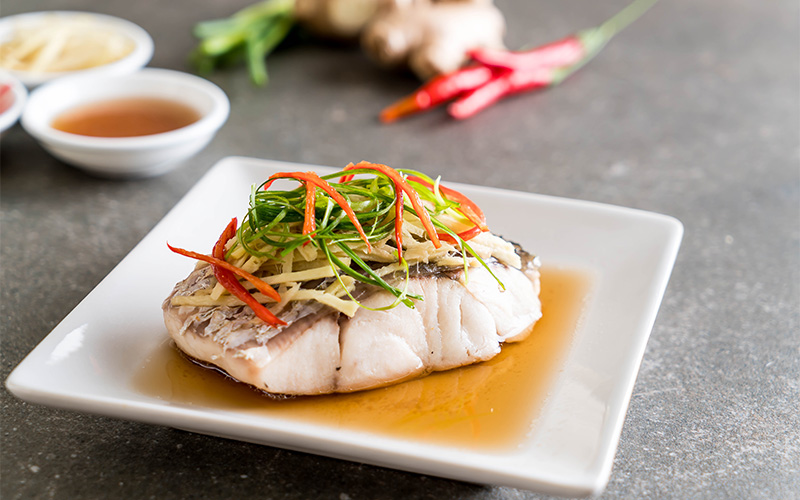
Hong Kong Style Steam Fish is a dish that relies on drawing out the natural sweetness of the fish and complementing it with light aromatics.
Commonly served in Cantonese households and restaurants, this dish reflects a cooking philosophy built on freshness and timing. When done well, the fish is delicate, moist, and infused with just enough flavour to feel complete without becoming overwhelming.
Unlike heavily seasoned seafood dishes, the success of this preparation depends on ingredient quality and careful execution. Every step, from selecting the fish to controlling steaming time, contributes to the final result. Even a minute or two of overcooking can affect the texture significantly.
The appeal of Hong Kong Style Steam Fish lies in its ability to showcase the fish itself. Rather than masking flavours, the ginger, spring onions, soy sauce, and hot oil work together to enhance the natural sweetness already present in the seafood.
Why This Dish Works So Well at Home
In Singapore kitchens, this dish is particularly practical. It requires minimal ingredients, cooks quickly, and pairs easily with rice and simple vegetable sides.
Many home cooks also appreciate that it does not require specialised equipment beyond a steamer or wok setup. Once the basic technique is understood, the recipe becomes highly repeatable and adaptable to different fish varieties.
It is ideal for:
- Weeknight meals that need to be quick yet nourishing
- Family dinners where lighter dishes are preferred
- Showcasing fresh seafood without complex preparation
- Home cooks looking to recreate restaurant-style Cantonese flavours
- Occasions where a whole fish presentation adds visual appeal to the dining table
The clean flavour profile also makes this dish suitable for diners of all ages. It is light enough for everyday meals while still feeling refined enough for family gatherings or festive occasions.
Choosing the Right Fish and Cut
The success of Hong Kong Style Steam Fish begins with selecting the right fish and understanding how it is cut.
Whole Fish (Best for Authentic Results)
Whole fish is traditionally preferred in Cantonese cooking because it retains moisture exceptionally well during steaming.
Common choices:
- Seabass
- Grouper
- Snapper
Recommended weight:
- 500g–800g for even cooking
Benefits:
- Retains moisture effectively
- Richer overall flavour
- More visually appealing presentation
- Traditional preparation method
The bones and skin help protect the flesh from direct heat, allowing the fish to remain tender throughout cooking.
Fish Fillets
Fillets are a practical alternative for smaller households or cooks who prefer easier serving.
Benefits:
- Faster preparation
- Easier portion control
- Less waste for smaller meals
Choose thick, centre-cut fillets whenever possible, as thinner sections can dry out quickly during steaming.
Seabass and snapper fillets tend to perform particularly well using this method.
Fish Steaks
Fish steaks offer a compromise between the flavour benefits of whole fish and the convenience of fillets.
Benefits:
- Bone-in flavour enhancement
- Easier to portion than whole fish
- Suitable for smaller steamers
Because steaks are cut across the fish, they often develop a slightly firmer texture while still retaining good moisture.
When buying seafood online in Singapore, it is worth checking whether the supplier offers preparation options such as scaling, gutting, filleting, or cutting fish into steaks. These services can save time in the kitchen while allowing you to select a cut that suits your preferred steaming method. At Catch of The Day SG, for instance, home cooks can choose between whole fish, fillets, and steaks depending on how they plan to prepare and serve the dish.
Freshness Indicators
Regardless of the cut you choose, freshness remains one of the most important factors.
Look for:
- Clear, bright eyes (for whole fish)
- Firm flesh that springs back when pressed
- Shiny skin and scales
- Clean, mild smell
- No excessive liquid accumulation
Fresh fish produces a sweeter, cleaner-tasting result that is particularly noticeable in lightly seasoned dishes such as Cantonese steamed fish.
Pre-Preparation: Getting It Right Before Steaming
Good preparation helps ensure even cooking and better flavour development.
1. Clean and Dry the Fish
Rinse the fish thoroughly and pat it dry using paper towels.
Removing excess surface moisture prevents unwanted dilution of the sauce and helps the aromatics adhere more effectively.
2. Slice for Even Cooking
If using a whole fish, make two or three shallow slits on each side.
These cuts allow heat to penetrate more evenly into the thicker portions of the fish, reducing the risk of undercooked sections near the bone.
3. Prepare Aromatics
Slice ginger into thin matchsticks or strips.
Cut spring onions into long segments, reserving some for garnish after steaming.
Thinly sliced aromatics release flavour more efficiently and create the signature appearance associated with restaurant-style preparations.
4. Preheat Your Steamer
Among the most important tips for steaming fish is ensuring the water is already at a rolling boil before the fish enters the steamer.
Starting with fully heated steam allows the fish to cook evenly and helps preserve its delicate texture.
Ingredients
- 1 whole fish (500–800g) or equivalent fillet/steak cuts
- 3–4 slices ginger (plus extra for garnish)
- 2–3 stalks spring onion
- 2 tbsp light soy sauce
- 1 tsp sugar
- 1 tbsp cooking oil
- 1 tsp sesame oil (optional)
- Fresh coriander (optional garnish)
Step-by-Step Hong Kong Style Steam Fish
Step 1: Prepare the Base
Place a few slices of ginger on a heatproof plate.
Lay the fish on top of the ginger. This prevents sticking while also allowing steam to circulate more effectively beneath the fish.
Step 2: Add Aromatics
If using a whole fish, place some ginger and spring onion inside the cavity.
Scatter the remaining aromatics over the surface of the fish.
This gentle layering helps infuse flavour without overwhelming the natural sweetness of the seafood.
Step 3: Steam the Fish
Place the fish into the preheated steamer.
Steam over high heat for approximately 8–12 minutes depending on the size and thickness of the fish.
Smaller fish may require less time, while larger fish closer to 800g may need the full cooking duration.
General Steaming Guide by Cut
As a rough guide:
- Whole fish (500–800g): 8–12 minutes
- Thick fish fillets: 6–8 minutes
- Fish steaks: 7–10 minutes
Actual cooking times may vary depending on thickness and steamer performance. The fish is ready when the flesh turns opaque and flakes easily at the thickest point.
Step 4: Check for Doneness
The flesh should appear opaque and separate easily when tested with a fork or chopstick.
The thickest section near the backbone should be just cooked through.
Proper timing is essential for achieving the silky fish texture that makes this dish so appealing.
Step 5: Prepare the Sauce
Mix the light soy sauce, sugar, and a small amount of water.
Taste and adjust if necessary. The sauce should be lightly savoury rather than intensely salty.
Step 6: Finish with Hot Oil
Remove excess liquid from the steaming plate if desired.
Pour the soy sauce mixture over the fish.
Heat the cooking oil until hot and carefully pour it over the ginger and spring onions.
The hot oil instantly releases their aroma, creating the signature fragrance that defines this classic Cantonese preparation.
Step 7: Garnish and Serve
Top with fresh spring onions and coriander if desired.
Serve immediately alongside steamed rice.
Tips for Best Results
The difference between a good steamed fish and an excellent one often comes down to technique.
Keep these tips in mind:
- Steam on high heat for a short duration to maintain tenderness
- Avoid overloading the fish with sauce before steaming
- Do not repeatedly lift the steamer lid during cooking
- Pour hot oil only at the end
- Use fresh ginger rather than ginger powder
- Serve immediately after cooking
- Select fish that comfortably fits within the steamer to allow proper steam circulation
Following these simple steaming tips can help produce more consistent results, making it easier to achieve tender fish and a delicate texture each time you cook the dish.
Variations to Try
Soy-Ginger Emphasis
Increase the amount of ginger and add a small pinch of white pepper.
This creates a slightly sharper flavour profile while remaining true to the dish’s Cantonese roots.
Garlic-Forward Version
Add a small amount of finely minced garlic before steaming.
The garlic contributes additional savoury depth without overwhelming the fish.
Light Herbal Variation
Incorporate coriander stems or a small amount of Chinese parsley.
These herbs add freshness and complexity while maintaining the overall light character of the dish.
What to Serve with Hong Kong Style Steam Fish
This dish pairs well with simple accompaniments that support rather than compete with the fish.
Popular options include:
- Steamed white rice
- Stir-fried leafy greens
- Simple tofu dishes
- Light soups
- Blanched vegetables with oyster sauce
The goal is to create a balanced meal that allows the fish to remain the centrepiece.
A Dish That Highlights Freshness Above All
The enduring appeal of this dish lies in its simplicity. With fresh fish, careful timing, and a handful of aromatics, it demonstrates how a few well-executed techniques can create a meal that feels both refined and comforting.
With the right technique and quality ingredients, even the simplest preparation can deliver depth, comfort, and satisfaction.
Its enduring popularity across Cantonese households reflects the value placed on freshness, balance, and precision. Rather than relying on elaborate seasoning, the dish allows high-quality ingredients to shine.
When executed properly, every bite offers clean flavours, delicate aromatics, and the tender, silky texture that makes steamed fish such a beloved part of Chinese cuisine.
Because freshness plays such an important role in steamed fish dishes, many households rely on fresh seafood delivery in Singapore to source quality seafood without compromising on convenience.
Fresh Fish for Better Results at Home
One advantage of preparing this dish at home is the flexibility to choose the fish and cut that best suits your needs. Some home cooks prefer a whole seabass for a traditional centrepiece, while others may opt for fillets or fish steaks that are easier to portion and serve.
At Catch of The Day SG, customers can choose from a range of fish suitable for steaming, including whole fish, fillets, and steaks. This allows you to select the option that best matches your household size, steamer setup, and preferred preparation style.
If you are planning to recreate this dish at home, shop now to explore our selection. Having access to the right fish and cut can make preparation simpler while helping you achieve the delicate texture and clean flavours that make this classic dish so enjoyable.
Frequently Asked Questions
What type of fish is best for steaming?
Fish with delicate flesh and a mild, naturally sweet flavour tend to work best. Popular choices include seabass, snapper, and grouper, as they remain tender and moist when steamed.
How can I tell when the fish is fully cooked?
The flesh should turn opaque and separate easily with a fork or chopstick. The thickest part of the fish should be just cooked through without appearing translucent.
Why is hot oil poured over the fish at the end?
Pouring hot oil over the ginger and spring onions releases their aroma and enhances the overall flavour of the dish. It also creates the signature fragrance commonly associated with Cantonese-style steamed fish.
Can I prepare the aromatics in advance?
Yes. Ginger and spring onions can be sliced ahead of time and stored in the refrigerator. This helps speed up preparation, especially on busy weeknights.
Is steaming fish healthier than frying?
Steaming uses little to no added oil, making it a lighter cooking method than deep-frying. It also allows the natural flavour of the fish to take centre stage without requiring heavy sauces or breading.