
The Confinement Diet: Why These 3 Fish are Essential for Moms
The confinement period is a critical stage of recovery for new mums, where nutrition plays a direct role in healing, milk production, and long-term health. In Singapore, traditional confinement diets continue to prioritise warming, nourishing foods, with fish being one of the most important protein sources. As more families turn to online fish delivery in Singapore, access to quality ingredients has become easier without compromising cultural practices or freshness.
At Catch of the Day, we see growing awareness around sourcing fresh seafood in Singapore specifically for postpartum needs. This article focuses on three fish that are consistently recommended during confinement, Threadfin, red groupers, and pomfrets, and explains why they are considered essential for recovery, nourishment, and balance.
Key Takeaways
- Fish plays a vital role in confinement diets by supporting healing, lactation, and energy restoration.
- Threadfin is prized for its warming properties and benefits for blood circulation and recovery.
- Red groupers are valued for collagen content and gentle protein that supports tissue repair.
- Pomfrets are light, easily digestible, and suitable for mums with sensitive digestion.
- Reliable online fish delivery in Singapore ensures consistent access to fresh seafood during confinement.
Why Fish Matters During the Confinement Period
Confinement diets are rooted in traditional beliefs that emphasise restoring balance in the body after childbirth. From a nutritional perspective, fish offers high-quality protein, essential fatty acids, and minerals that support postpartum recovery.
Protein for Healing and Strength
After delivery, the body requires protein to repair tissues, rebuild strength, and support immune function. Fish provides a lean protein source that is easier to digest than red meat, making it ideal during early recovery.
Traditional Warming and Balancing Properties
In confinement practices influenced by Chinese medicine, fish is often categorised based on its warming or neutral properties. Choosing the right type of fish is believed to help expel wind, improve circulation, and prevent long-term discomfort.
Threadfin: A Confinement Staple for Recovery
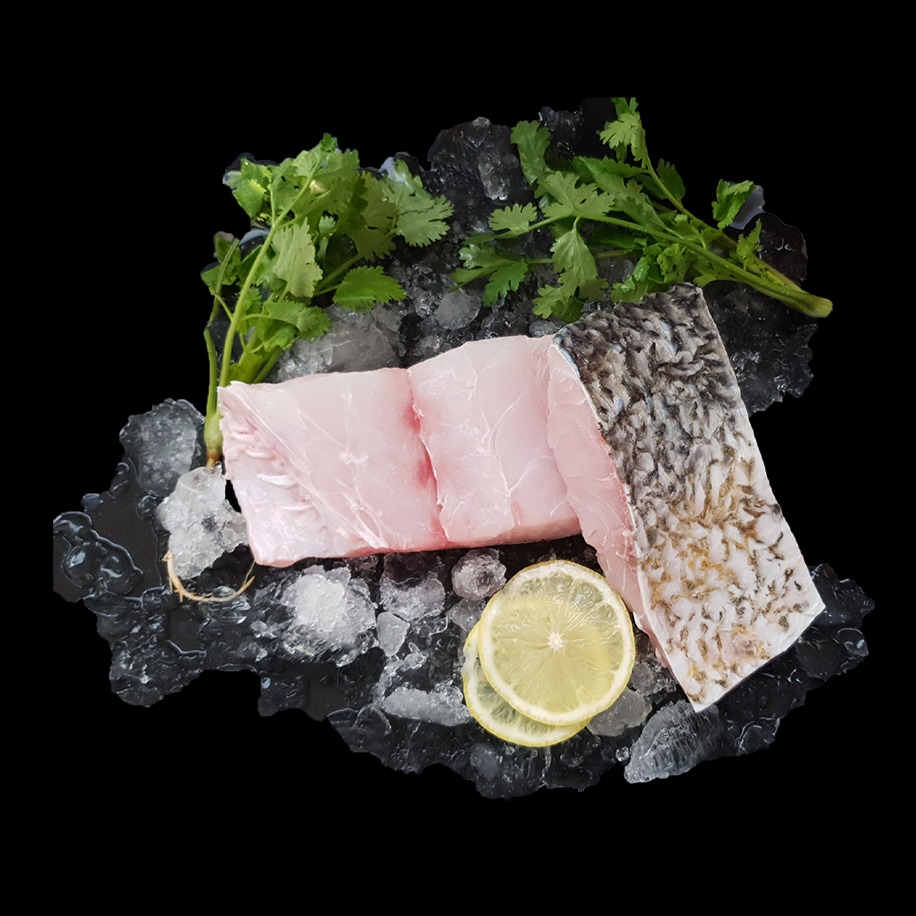
Threadfin is often considered the gold standard fish for postpartum mums in Singapore.
Why Threadfin Is Highly Recommended
Threadfin is traditionally regarded as a warming fish that supports blood circulation and helps the body recover after childbirth. Its tender flesh is gentle on digestion while still being nutrient-dense.
From a nutritional standpoint, Threadfin contains quality protein, essential amino acids, and omega-3 fatty acids that support brain health and emotional wellbeing during the postpartum period.
Benefits of Threadfin in a Confinement Diet
Threadfin is commonly used in herbal soups and steamed dishes because it absorbs flavours well without becoming heavy. These preparations align with confinement principles of nourishment without strain on the digestive system.
For mums experiencing fatigue or weakness, Threadfin is often included to help restore energy gradually rather than overstimulating the body.
Red Groupers: Supporting Skin, Tissue, and Strength
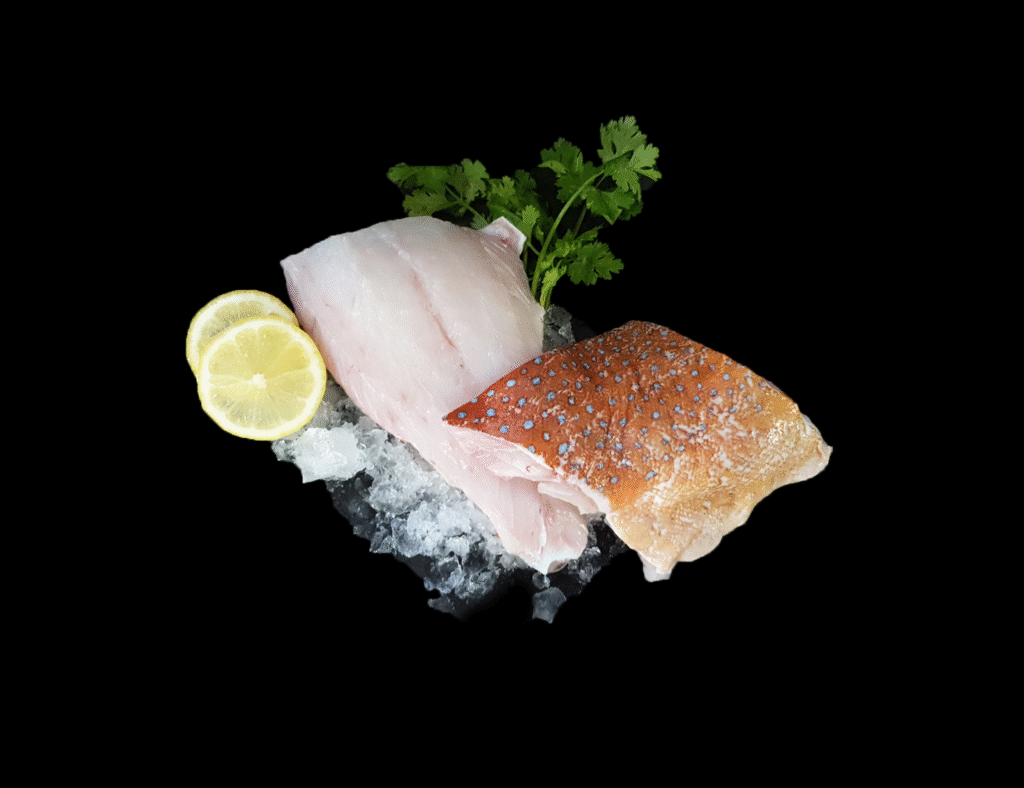
Red groupers are another popular choice during confinement, particularly for longer recovery phases.
Why Red Groupers Are Valued
Red groupers are known for their firm yet delicate texture, making them suitable for soups and slow-cooked confinement meals. They are often associated with collagen content, which supports skin elasticity and tissue repair.
From a practical perspective, red groupers provide a satisfying protein option without being overly oily, which is important for mums who are easing back into regular eating patterns.
Role of Red Groupers in Postpartum Healing
Red groupers are often introduced slightly later in the confinement period, once digestion has stabilised. They are believed to support wound healing and overall strength, especially for mums recovering from caesarean deliveries.
Including red groupers as part of a varied confinement diet helps prevent nutrient gaps while maintaining balance.
Pomfrets: Gentle, Light, and Easy to Digest
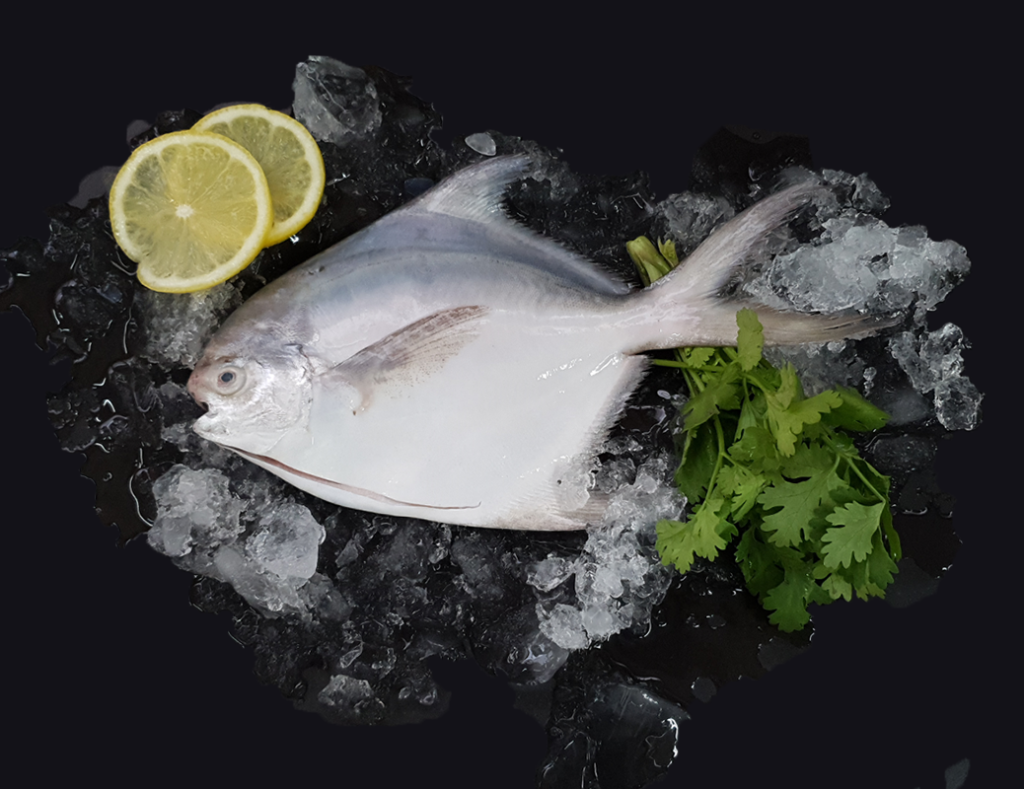
Pomfrets are widely used in confinement meals due to their mild flavour and digestibility.
Why Pomfrets Are Suitable for New Mums
Pomfrets are considered neutral and light, making them suitable for mums with sensitive stomachs or reduced appetite. Their fine flesh requires minimal seasoning, aligning with confinement guidelines that avoid overly strong flavours.
Because pomfrets are easy to prepare and portion, they are often chosen for daily meals rather than occasional tonics.
Understanding Pomfret Price and Availability
Pomfret price can vary based on size, origin, and season. White pomfrets are typically priced higher than black pomfrets, while silver pomfrets fall somewhere in between.
With online fish delivery in Singapore, mums and caregivers can compare pomfret price transparently and select sizes that suit both budget and meal planning needs.
Comparing the Three Essential Confinement Fish
The table below highlights how Threadfin, red groupers, and pomfrets differ in function and suitability during confinement.
| Fish Type | Primary Benefit | Texture | Best Stage of Confinement |
| Threadfin | Circulation and recovery | Soft and tender | Early to mid confinement |
| Red groupers | Tissue repair and strength | Firm yet gentle | Mid to late confinement |
| Pomfrets | Easy digestion and daily nourishment | Light and flaky | Throughout confinement |
Fresh Seafood in Singapore and Food Safety During Confinement
Food safety is especially important during the postpartum period, when immunity may be lower.
Why Freshness Matters More During Confinement
Fresh seafood reduces the risk of spoilage and bacterial growth, which is critical for mums recovering from childbirth. High-quality handling ensures that nutrients remain intact and flavours stay clean.
How Online Fish Delivery Supports Safety
Using trusted online fish delivery in Singapore allows families to receive seafood that has been handled under controlled conditions. Temperature management, proper packaging, and clear sourcing information provide added peace of mind during confinement.
Planning a Confinement Diet With Fish
Incorporating fish into confinement meals requires balance and planning.
Rotating Fish Types for Balanced Nutrition
Rather than consuming one type of fish repeatedly, rotating between Threadfin, red groupers, and pomfrets helps provide a broader range of nutrients. This approach also reduces the risk of dietary fatigue.
Portion Control and Preparation
Fish portions during confinement are typically smaller but more frequent. Steaming, boiling, or slow simmering are preferred methods that preserve nutrients without introducing excess oil.
Why Online Fish Delivery Fits Modern Confinement Needs
Traditional confinement practices are increasingly supported by modern solutions.
Convenience Without Compromising Tradition
Online fish delivery in Singapore allows caregivers to maintain confinement standards without daily market visits. This is especially helpful for families without additional household support.
Reliable Access to Quality Seafood
With consistent access to fresh seafood in Singapore, confinement meals can be planned in advance, reducing stress and ensuring dietary consistency throughout the recovery period.
Supporting Postpartum Recovery With Thoughtful Seafood Choices
Choosing the right fish during confinement is not just about tradition. It is about supporting physical healing, emotional wellbeing, and long-term health.
Building Strength Gradually
Fish provides gentle nourishment that supports gradual recovery rather than rapid stimulation. This aligns with confinement principles of pacing and balance.
Encouraging Sustainable Eating Habits
By understanding sourcing and seasonality, families can make responsible choices while prioritising health.
Fresh Seafood for Confinement With Our Team at Catch of the Day
Supporting confinement nutrition starts with access to reliable ingredients. At Catch of the Day, we work closely with families seeking dependable online fish delivery in Singapore, ensuring they receive fresh seafood suited for postpartum recovery. Whether it is Threadfin for early healing, red groupers for strength, or pomfrets for daily nourishment, our team helps make confinement meal planning simpler and more reliable while respecting traditional dietary needs.
Frequently Asked Questions
Can confinement mums eat fish every day?
Yes, fish can be consumed daily during confinement as long as portions are moderate and the fish is prepared gently using steaming or soups.
Is frozen fish suitable for confinement meals?
Fresh fish is generally preferred, but properly frozen fish that has been handled safely can be acceptable if fresh options are not available.
How do I know which pomfret size is best for confinement?
Smaller to medium pomfrets are often preferred as they cook evenly and are easier to portion for single meals.
Are red groupers suitable immediately after delivery?
Red groupers are usually introduced after the initial recovery phase, once digestion has stabilised, rather than in the first few days postpartum.
Does online fish delivery affect the nutritional quality of seafood?
When handled correctly, online fish delivery in Singapore maintains nutritional quality through controlled storage and transport, making it suitable for confinement diets.


