Fish Head Curry Recipe: Cook Singapore’s Iconic Claypot Curry at Home
Prep time: 30 minutes
Cook time: 45 minutes
Servings: 3–4 people
Key Takeaways
- A great fish head curry recipe starts with a fresh, meaty fish head and a well-cooked spice base.
- Simmer the curry gravy before adding the fish to allow the spices to fully develop.
- Gentle cooking helps keep the fish head intact while producing tender, succulent flesh.
- Tamarind provides the signature tang, while coconut milk can be added for a richer finish.
- Using fresh ingredients from trusted suppliers when you buy seafood online in Singapore can make it easier to recreate restaurant-quality fish head curry at home.
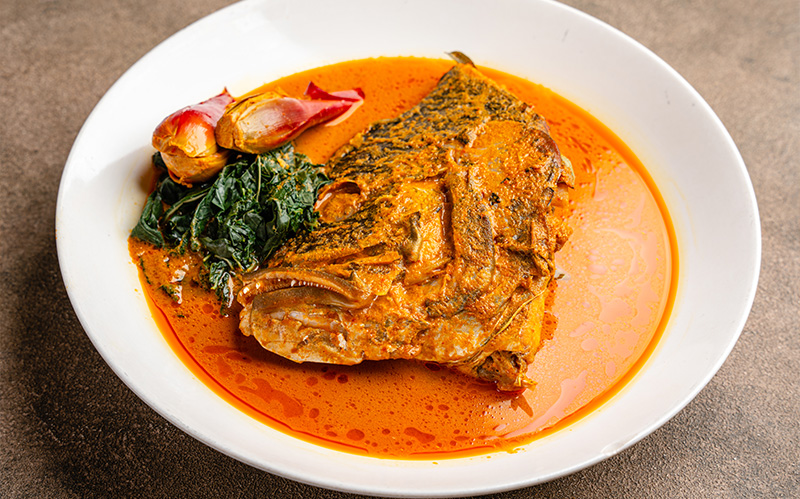
Ingredients
For the Fish
- 1 fish head (600–800g), cleaned, preferably red snapper, angoli, grouper or sea bass.
For the Spice Base
- 4–5 dried chillies, soaked
- 3 shallots
- 3 cloves garlic
- 1 stalk lemongrass
- 1 tsp belacan (optional)
- 2 tbsp curry powder
You may also use a ready-made fish curry paste as a starting point if you are short on time, although blending your own spice paste lets you adjust the balance of heat and aromatics more precisely.
For the Curry
- 2 cups water or fish stock
- 2 tbsp tamarind juice
- 100ml coconut milk (optional)
- 1 tomato, cut into wedges
- 1 eggplant, sliced
- 6–8 pieces okra
- Salt to taste
- 1 tsp sugar
- 2 tbsp cooking oil
Step-by-Step Fish Head Curry Recipe
Step 1: Prepare the Spice Paste
Blend the soaked dried chillies, shallots, garlic, lemongrass, and belacan into a smooth paste.
Step 2: Cook the Spice Base
Heat the oil in a clay pot or a heavy-bottomed pot over medium heat.
Sauté the spice paste slowly for 8 to 10 minutes, until fragrant and the oil begins to separate from the paste. Stir frequently to prevent burning.
Add the curry powder and continue frying for another minute to fully bloom the spices.
Step 3: Build the Curry Gravy
Pour in the fish stock or water and stir well.
Step 4: Simmer the Curry Gravy
Pour in the fish stock or water and stir well. Add the tamarind juice, then bring the curry to a gentle simmer.
Let the gravy simmer for 15 to 20 minutes before adding the fish. This gives the spices time to develop and allows the curry to thicken slightly.
Step 5: Add the Vegetables in Stages
Add the eggplant first and simmer for about 5 minutes, as it needs slightly more time to soften.
Add the okra and tomato wedges only during the final few minutes before the fish goes in. This helps them stay tender without breaking down completely.
Step 6: Add the Fish Head
Carefully lower the fish head into the curry. Simmer gently for 10 to 15 minutes, depending on its size, until the thickest part of the flesh turns opaque and flakes easily from the bone.
Avoid stirring too much at this stage. Instead, spoon the curry over the fish occasionally to help it cook evenly.
Step 7: Adjust the Seasoning
Taste the curry and adjust with salt, sugar, or additional tamarind if needed.
If using coconut milk, stir it in during the final few minutes and keep the heat low to prevent curdling.
Step 8: Serve Immediately
Serve the curry piping hot, preferably in a claypot to keep it warm throughout the meal.
If you enjoy experimenting with seafood recipes, you can also add prawns, squid, or sliced fish fillet during the final few minutes of cooking.
A Dish That Defines Singapore’s Food Identity
Fish head curry is one of Singapore’s most iconic dishes, reflecting a unique blend of Indian and Chinese culinary traditions. Originally popularised by South Indian restaurateurs who adapted traditional fish curry for local diners, it has since become a staple in restaurants, hawker centres, and home kitchens across the island.
This fish head curry recipe focuses on recreating that familiar claypot-style experience at home. Although it may seem like a dish reserved for restaurants, the cooking process becomes surprisingly approachable when broken down into manageable steps. With fresh seafood, a well-balanced spice base, and a little patience, you can prepare a rich, tangy curry that rivals many of your favourite local establishments.
Whether you are preparing it for a weekend family dinner or a festive gathering, fish head curry is a dish that brings everyone together around the table to share a hearty meal.
A Brief Look at Its Cultural Roots
Fish head curry is often regarded as one of Singapore’s earliest examples of fusion cuisine. It combines South Indian curry-making techniques with local influences, following chef M. J. Gomez’s adaptation of the dish for Chinese diners who traditionally regard fish heads as a delicacy.
Today, Indian fish head curry remains one of the country’s signature dishes, found everywhere from heritage restaurants to neighbourhood coffee shops. Many locals also enjoy hawker-style fish head curry, which often features a slightly thinner gravy, generous portions of vegetables, and robust spice flavours designed to pair perfectly with steamed rice.
Traditionally, the curry is served bubbling in a claypot. Besides creating an attractive presentation, the claypot helps retain heat, allowing the curry to continue developing flavour as everyone enjoys the meal.
Choosing the Right Fish Head
The fish head is naturally the star of the dish, making freshness one of the most important factors for success.
Red Snapper Head
Red snapper is one of the most popular choices for fish head curry. It has firm, slightly sweet flesh that holds together well during simmering while absorbing the curry beautifully.
Grouper or Angoli Head
These varieties offer a richer flavour with more gelatinous skin and connective tissue, producing a fuller-bodied curry with a silky mouthfeel.
What to Look For
Choose a fish head that has:
- A clean, fresh ocean smell
- Bright, clear eyes
- Firm flesh that springs back when pressed
- Clean, even cuts without excessive blood or bruising
If a whole fish feels intimidating, some home cooks prefer using a red snapper fillet alongside smaller fish head portions. This allows everyone at the table to enjoy additional boneless pieces while still preserving the traditional flavour of the curry.
Preparing Your Ingredients Before You Start
Like many curry dishes, organisation makes the cooking process much smoother.
1. Clean the Fish Head
Rinse thoroughly under cold running water and remove any remaining blood or impurities. Pat dry with paper towels before cooking.
2. Prepare the Spice Paste
Blend the aromatics ahead of time so everything is ready once the cooking begins.
3. Prepare the Vegetables
Slice the eggplant, trim the okra, and cut the tomatoes into wedges.
4. Prepare the Tamarind
Mix tamarind pulp with warm water and strain to extract the juice. This provides the signature tang that defines fish head curry.
What to Serve with Fish Head Curry
Fish head curry pairs beautifully with simple side dishes that allow the curry to remain the highlight of the meal.
Popular accompaniments include:
- Steamed white rice
- Fried egg or omelette
- Sambal vegetables
- Stir-fried leafy greens
- Papadum for extra crunch
Fresh Seafood for Better Results at Home
This fish head curry recipe is more than just another seafood dish. It represents Singapore’s multicultural heritage while showcasing how bold spices, fresh seafood, and simple ingredients can come together to create something deeply comforting.
For the best results, choose a fish head that suits your pot size and portion size before you start cooking. A 600g to 800g fish head is usually enough for 3 to 4 people, and it should fit comfortably in the curry so it can simmer evenly without breaking apart.
This is where ingredient planning makes the dish easier to manage at home. With Catch of The Day SG, you can order fresh fish for doorstep delivery, making it more convenient to prepare fish head curry without a separate trip to the market.
Ready to cook your own claypot-style fish head curry? Shop our selection of fresh seafood today and have everything you need conveniently delivered to your home.
Frequently Asked Questions
What fish is best for a fish head curry recipe?
Red snapper is one of the most popular choices because of its firm texture and naturally sweet flesh. Grouper and angoli are also excellent options if you prefer a richer, more gelatinous texture.
Can I make fish head curry without a claypot?
Yes. A heavy-bottomed pot or Dutch oven works very well. The claypot mainly helps retain heat and keeps the curry warm while serving.
Can I prepare the curry in advance?
Yes. The curry gravy can be prepared a day ahead and refrigerated. Reheat it gently before adding the fish head so the seafood remains fresh and tender.
Why should I simmer the curry before adding the fish?
Simmering allows the spices to fully develop and the curry to thicken naturally. Adding the fish too early may result in overcooked flesh before the gravy reaches its full flavour.
Can I freeze leftover fish head curry?
You can freeze the curry, although the fish texture may soften slightly after thawing. For the best quality, consume it within one month and reheat gently over low heat.