Guide to Cleaning Fish for Steaming and Frying in Singapore
Key Takeaways
- Understanding how to clean a fish using proper techniques is the next step toward enhancing your culinary skills and ensuring food safety.
- Freshness is key; always buy fish from reputable sources and check for signs of freshness.
- Cleaning fish is a straightforward process that can be mastered with practice and the right tools.
- Buying properly prepared seafood can make home cooking more convenient while still allowing you to enjoy fresh fish meals.
- Online seafood delivery makes it easier to enjoy fresh seafood at home with preparation services provided.
Introduction
When it comes to preparing a delicious meal, few things rival the taste of fresh fish. Whether you’re planning a family dinner or a cosy gathering with friends, knowing how to clean a fish is an essential skill that can elevate your culinary game.
In Singapore, seafood is a staple in many households, common in cuisines like nasi lemak and chilli crab. Mastering this technique not only brings you closer to authentic local cuisine but also ensures that you serve the freshest dishes possible.
Imagine this: you’re at the bustling wet market, surrounded by the vibrant sights and sounds of vendors showcasing their freshest catches. You spot a gleaming snapper, its scales reflecting the morning light, and you can already envision the delightful meal you’ll create. But before you can get to the cooking part, there’s one crucial step: cleaning the fish. This guide will walk you through the process of cleaning fish for steaming and frying, making it easy and enjoyable.
In this article, we’ll cover everything from selecting the right fish to step-by-step instructions on how to clean a fish, along with some handy tips and tricks to make the process smoother. So, roll up your sleeves and let’s dive in.
Selecting the Right Fish
Freshness Matters
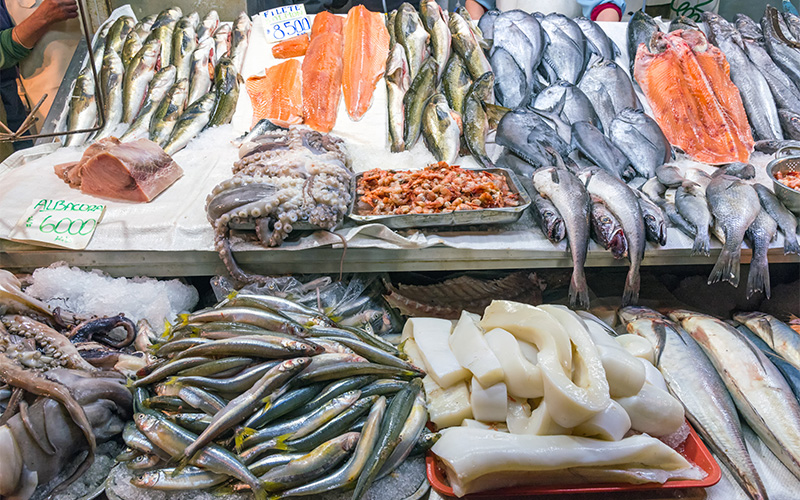
When it comes to fish, freshness is paramount. In Singapore, you’ll find a variety of fish available at wet markets and supermarkets. But how do you choose fresh fish?
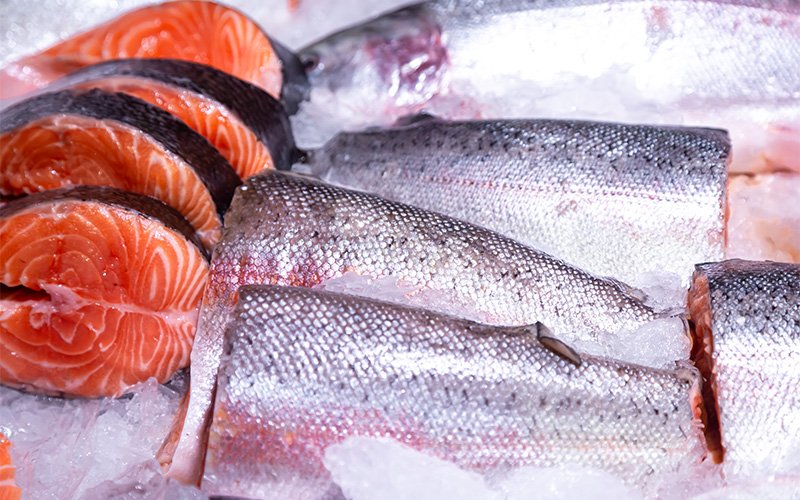
Look for fish with clear, bright eyes, shiny scales, and a fresh smell. If it smells overly fishy or has dull eyes, it’s best to pass on it.
Popular Choices for Steaming and Frying
Some popular fish varieties for steaming and frying in Singapore include:
- Snapper: Known for its delicate flavour, red snapper fillet is perfect for both steaming and frying.
- Mackerel: A staple in many local dishes, it has a rich flavour that holds up well to frying.
- Pomfret: Affordable and versatile, it is a great option for a variety of cooking methods.
By choosing the right fish, you set the foundation for a delicious meal. Once you’ve made your selection, it’s time to tackle the cleaning process.
Why Fresh Fish Is Easier to Clean
Fresh fish generally has firmer flesh and clearer anatomy, which can make learning how to clean fish easier for beginners while helping preserve texture during cooking.
Step-by-Step Guide on How to Clean a Fish
Preparing Your Workspace
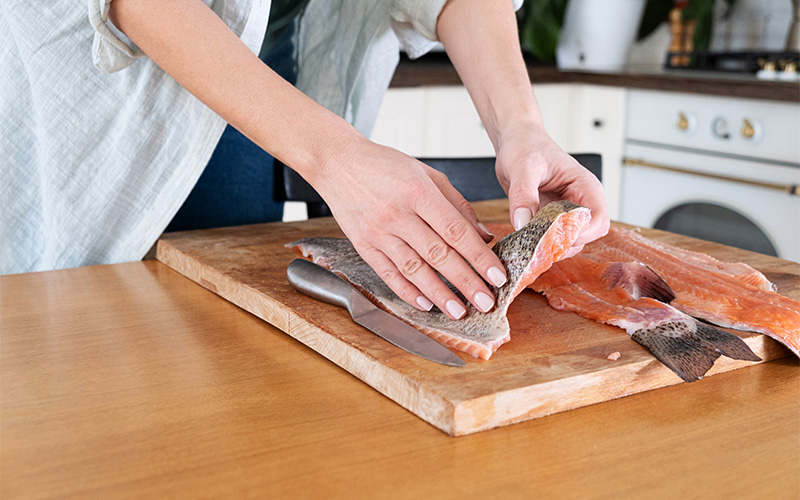
Before you begin, ensure your workspace is clean and organised. Gather the following tools:
- A sharp filleting knife or a regular kitchen knife
- A cutting board (preferably non-slip)
- A bowl for the entrails
- Running water for rinsing
Step 1: Rinse the Fish
Start by rinsing the fish under cold running water. This helps remove any slime or debris from the surface. Make sure to do this gently to avoid damaging the skin.
Step 2: Remove the Scales
Using the back of your knife or a fish scaler, begin scraping the scales from the tail towards the head. Be thorough but gentle, as you don’t want to puncture the skin. Do this over the sink or a large bowl to catch the scales. Once done, rinse the fish again to remove any loose scales.
Step 3: Gutting the Fish
To gut the fish, insert the knife into the belly near the tail and make a shallow cut up towards the head. Be careful not to cut too deep, as you don’t want to puncture the internal organs. Once you’ve made the incision, use your fingers to open the belly and remove the entrails. Place them in the bowl for disposal.
Step 4: Remove the Gills
Next, you’ll want to remove the gills. Locate the gill cover and lift it to expose the gills. Using your knife, cut around the gills to detach them from the fish. This step is crucial, as gills can impart a bitter taste if left in the fish too long.
Step 5: Final Rinse
Give the fish a final rinse under cold water, ensuring that all traces of blood and entrails are removed. At this point, your fish is clean and ready for cooking!
When preparing fish for steaming, keeping the fish whole and making light slits along the body can help aromatics and heat distribute more evenly during cooking.
Once you understand how to clean fish, the next step is preparing it correctly for your cooking method. Small adjustments after cleaning can improve flavour, texture, and overall presentation, whether you plan to steam or fry.
Tips for Cooking Cleaned Fish
Steaming Techniques
Steaming is a popular cooking method in Singapore, especially for whole fish. Here’s how to do it:
- Prepare the Steamer: Fill a pot with water and bring it to a boil. Place the fish on a plate and season it with ginger, garlic, and soy sauce.
- Steam: Place the plate in the steamer basket and cover. Steam for about 10-15 minutes, depending on the size of the fish.
- Serve: Once cooked, garnish with fresh herbs and serve hot.
Frying Techniques
Frying is another delicious way to enjoy your cleaned fish. Here’s a quick guide:
- Coat the Fish: Lightly dust the fish with flour or cornstarch for a crispy texture.
- Heat the Oil: In a pan, heat oil over medium-high heat. Make sure it’s hot enough for frying.
- Fry: Carefully place the fish into the hot oil and fry until golden brown on both sides. Drain on paper towels before serving.
Online Seafood Delivery Makes Fish Preparation Easier
For many households in Singapore, one of the biggest barriers to cooking more seafood at home is not the cooking itself, but the preparation. Cleaning, scaling, gutting, and portioning fish can feel intimidating, especially for beginners.
This is where online seafood delivery can make a meaningful difference.
Many online seafood providers today offer optional preparation services, allowing customers to receive fish that is already scaled, gutted, filleted, or cut according to their preferred cooking style. This means less prep work, less mess in the kitchen, and more confidence when trying new seafood dishes at home.
That being said, cleaning fish remains a useful skill. Understanding the basics helps you assess freshness, make better buying decisions, and prepare seafood more confidently.
For home cooks who want the flexibility of both convenience and quality, ordering from a trusted seafood supplier can make seafood cooking feel far more approachable.
Conclusion
Learning how to clean fish is one of those practical kitchen skills that becomes easier every time you do it. From selecting fresh seafood to scaling, gutting, and preparing it for steaming or frying, understanding the process allows you to enjoy better flavour, cleaner preparation, and more confidence in the kitchen.
That said, preparing seafood from scratch is not always necessary. For busy households in Singapore, having access to fresh seafood that can be professionally prepared before delivery offers a convenient alternative without compromising on quality.
At Catch of the Day SG, you can enjoy fresh seafood delivered to your doorstep, with custom preparation options available for select products, so you can spend less time prepping and more time cooking. Whether you prefer whole fish, fillets, or ready-to-cook seafood, explore our collection and shop now to bring fresher seafood meals to your table.
Frequently Asked Questions
How do I know if the fish is fresh?
Look for clear eyes, shiny scales, and a fresh smell. If it smells overly fishy or has dull eyes, it’s best to avoid it.
Can I clean fish without a filleting knife?
Yes, you can use a regular kitchen knife, but a filleting knife makes the process easier and more efficient.
What should I do with the fish entrails?
Dispose of the entrails in a bowl or bag to keep your workspace clean and avoid any unpleasant odors.
How do I prevent the fish from sticking to the pan when frying?
Make sure the oil is hot enough before adding the fish, and consider dusting it lightly with flour or cornstarch.
Is it necessary to remove the gills?
Yes, removing the gills is important as they can impart a bitter taste if left in the fish too long.