Fresh or Frozen Fish in Singapore’s Climate? A Practical Guide
Key Takeaways
- The debate around fresh and frozen fish is less about which is universally better and more about choosing based on how and when you cook.
- Modern freezing methods help preserve texture and nutrition, making frozen seafood a practical everyday option.
- Singapore’s heat and humidity make proper seafood storage in Singapore especially important for maintaining quality and food safety.
- Understanding the quality you can get from freezing fish can help you make smarter buying decisions and reduce unnecessary food waste.
- The best options for fish in Singapore’s climate often include a mix of fresh seafood for immediate cooking and frozen seafood for flexibility.
- A trusted online seafood delivery service can make it easier to enjoy quality fish while balancing freshness, convenience, and storage in Singapore’s climate.
Introduction
Few food decisions spark as much discussion in Singapore kitchens as choosing between fresh and frozen seafood.
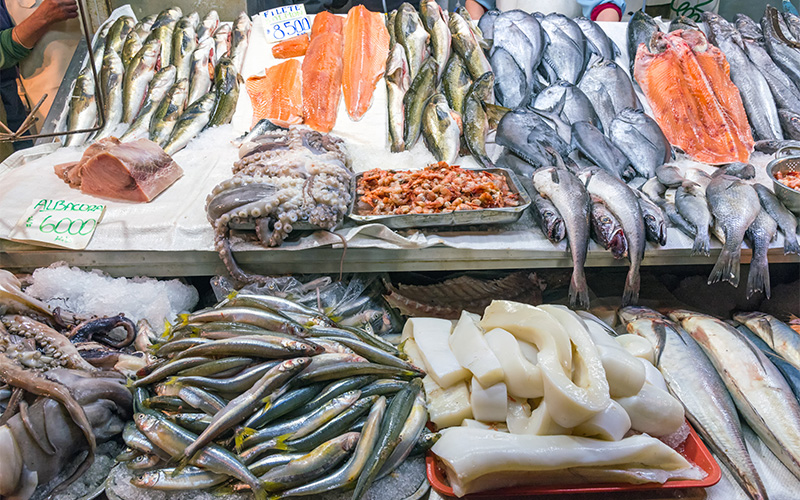
For some, nothing compares to selecting whole fish at the market, checking for clear eyes, bright gills, and firm flesh before bringing it home for dinner. Others prefer to open the freezer and pull out neatly portioned fillets that are ready whenever inspiration strikes.
The truth is, there is no single winner in the debate around fresh fish vs frozen fish.
Singapore’s climate introduces practical realities that influence how seafood performs at home. High temperatures and humidity can shorten freshness windows, increase the risk of spoilage, and make storage habits more important than many people realise.
Understanding how both options work allows you to buy smarter, waste less, and cook seafood that suits your lifestyle.
What Does “Fresh Fish” Actually Mean?
Many shoppers assume that fresh fish means fish caught on the same day.
In reality, “fresh” generally means the fish has never been frozen, but that does not necessarily mean it was harvested hours earlier. Depending on sourcing and transport timelines, fresh fish may already have travelled before reaching retailers.
Fresh fish remains popular because of several qualities:
- Delicate, natural texture
- Cleaner mouthfeel in certain preparations
- Better suitability for presentation-driven dishes
- Greater flexibility for specific cooking methods
This is especially noticeable for:
- Whole steamed fish
- Sliced fish soups
- Fish porridge
- Pan-seared fillets
- Certain grilled preparations
When seafood is cooked soon after purchase, fresh fish can deliver excellent results.
However, freshness becomes increasingly time-sensitive once seafood reaches your refrigerator.
Why Frozen Fish Has Become More Popular in Singapore
Frozen fish used to have a reputation for being lower quality.
Today, modern freezing technology has changed that perception.
Many seafood suppliers freeze fish shortly after harvest using rapid freezing methods that reduce ice crystal formation and help maintain texture. In some cases, frozen seafood may preserve quality better than fish that has spent several days in distribution before purchase.
Frozen seafood offers several advantages:
- Longer storage periods
- Less urgency to cook immediately
- Easier meal planning
- Lower food wastage
- Access to wider seafood varieties year-round
For busy households in Singapore, frozen fish often becomes the more realistic everyday choice since it offers greater flexibility for meal planning while helping reduce food waste. Combined with the growing convenience of online fish delivery in Singapore, households can easily stock up on quality seafood and enjoy reliable access to fish without frequent trips to the market.
Fresh Fish vs Frozen Fish: Which Tastes Better?
Taste and Texture
Fresh fish typically has a slight edge for texture-sensitive dishes.
The flesh can feel firmer and more delicate, especially when steamed or lightly cooked.
Frozen fish, however, performs extremely well when:
- Grilled
- Baked
- Stir-fried
- Curried
- Braised
- Air-fried
Cooking technique often matters more than whether the fish started fresh or frozen.
Nutrition
Nutritionally, the gap is smaller than many people think.
Fish naturally provides:
- Protein
- Omega-3 fatty acids
- Vitamins B and D
- Essential minerals
If properly frozen, most of the nutritional value remains well preserved.
The biggest difference usually comes from storage conditions and handling after purchase.
Convenience
Frozen fish wins easily for convenience.
Having portioned seafood available means:
- Faster meal preparation
- Fewer grocery trips
- Less spoilage
- More flexibility during busy weeks
Understanding Quality: Does Freezing Fish Damage Seafood?
A common concern is whether freezing reduces quality.
The answer depends on technique.
Poor freezing can create large ice crystals that damage muscle fibres, resulting in:
- Softer texture
- Excess moisture loss
- Reduced eating quality
Good practices help avoid these issues.
Look for seafood that:
- Appears evenly frozen
- Has minimal visible ice build-up
- Shows no signs of freezer burn
- Comes vacuum packed where possible
- Lists clear freezing and expiry dates
Flash-frozen seafood often performs remarkably well in home cooking.
Seafood Storage in Singapore: Why Climate Changes Everything
Singapore’s warm and humid weather means seafood requires extra attention.
Storing Fresh Fish
If buying fresh:
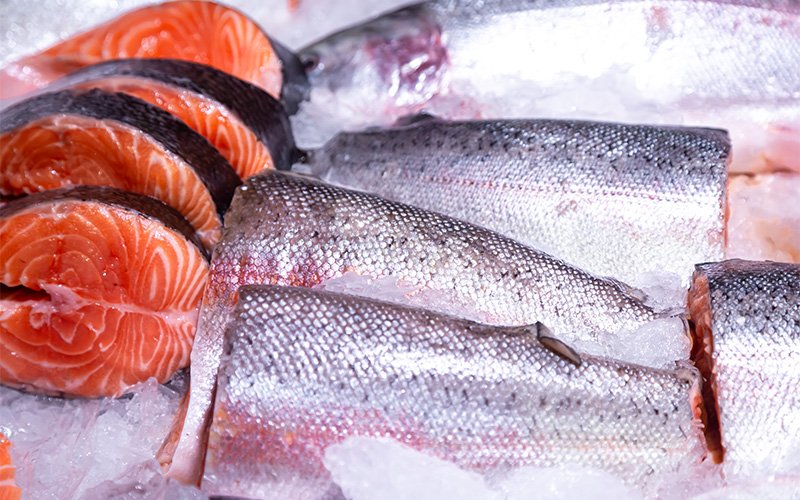
- Refrigerate immediately after purchase
- Keep below 4°C
- Store in the coldest part of the fridge
- Place fish on ice if cooking later
- Consume within 1–2 days.
Storing Frozen Fish
If buying frozen:
- Keep freezer temperatures stable.
- Avoid repeated thawing and refreezing.
- Portion seafood before freezing
- Label storage dates
Proper seafood storage in Singapore is often what determines whether seafood tastes excellent or disappointing.
What Are the Best Fish Options for Singapore Climate?
The answer depends on how you cook.
Choose Fresh Fish If You:
- Cook seafood the same day.
- Prefer steaming whole fish.
- Enjoy market shopping
- Want premium presentation
Good examples:
- Pomfret
- Snapper
- Grouper
- Seabass
Choose Frozen Fish If You:
- Meal prep regularly
- Cook in batches
- Want longer storage
- Prefer convenience
Good examples:
- Salmon fillets
- Cod portions
- Mackerel
- Barramundi fillets
In reality, the best options often involve keeping both available at home.
Fresh seafood delivers immediacy.
Frozen seafood delivers flexibility.
Practical Tips to Get Better Results Regardless of Which You Buy
For Fresh Fish
- Buy closer to cooking time.
- Keep transport home short.
- Pat dry before cooking.
For Frozen Fish
- Thaw overnight in the fridge.
- Remove excess moisture before cooking.
- Season after thawing for better flavour retention
Small handling improvements often make a bigger difference than whether the fish was fresh or frozen.
Conclusion
When it comes to fresh fish vs frozen fish, the better choice is not always the freshest-looking option in front of you. It is the option that matches how you cook, store, and enjoy seafood at home.
Fresh fish delivers exceptional texture and immediacy for certain dishes. Frozen fish offers convenience, flexibility, and consistency that suit modern Singapore lifestyles.
At Catch of the Day, we make it easier to enjoy seafood your way with carefully selected seafood, convenient online ordering, and preparation options that fit everyday cooking. Whether you prefer fresh selections for tonight’s dinner or freezer-friendly options for the week ahead, shop now to explore our range of seafood.
Frequently Asked Questions
Is fresh fish always healthier than frozen fish?
Not necessarily. Properly frozen fish can retain most of its nutritional value and remains a healthy seafood option.
Can I cook frozen fish without thawing?
Some fish can be cooked directly from frozen, although thawing first often gives more even texture and cooking results.
How long can frozen fish stay in the freezer?
This depends on species and packaging, but quality is generally best when consumed within a few months.
Fresh fish or frozen fish better for everyday cooking in Singapore?
There is no single better option. Fresh fish works well for immediate cooking and for texture-sensitive dishes, while frozen fish offers convenience, longer storage life, and reduced food waste for everyday meals.
Is frozen seafood suitable for everyday meals?
Yes. Frozen seafood can be a practical way to maintain variety while reducing food waste and simplifying meal planning.