Fish in Singapore: Nutritional Benefits for Families
Key Takeaways
- Fish is a staple food in Singapore, offering numerous health benefits for families.
- Rich in omega-3 fatty acids, fish supports brain development and heart health.
- Incorporating fish into meals can be simple and delicious, with various local recipes available.
- Regular fish consumption can lead to better overall health and wellness for families.
- You can buy fish online in Singapore, making it convenient for households to access fresh fish and seafood without visiting wet markets.

Introduction
In the bustling city of Singapore, food is more than just sustenance; it’s a way of life. From hawker centres to gourmet restaurants, the culinary scene is vibrant and diverse. Among the many options available, fish stands out as a beloved staple food for families. Not only is it a versatile ingredient, but it also offers a plethora of nutritional benefits that can enhance the health and well-being of every family member.
Imagine a typical family dinner in Singapore: the aroma of grilled fish wafting through the air, a side of fragrant rice, and a medley of vegetables. It’s a scene that many of us can relate to, and it highlights the significance of healthy seafood in Singapore. But what makes fish such a crucial part of our meals? Let’s dive into the nutritional benefits of fish and explore how it can be easily incorporated into your family’s diet.
Why Fish Has Always Been a Staple Food in Singapore
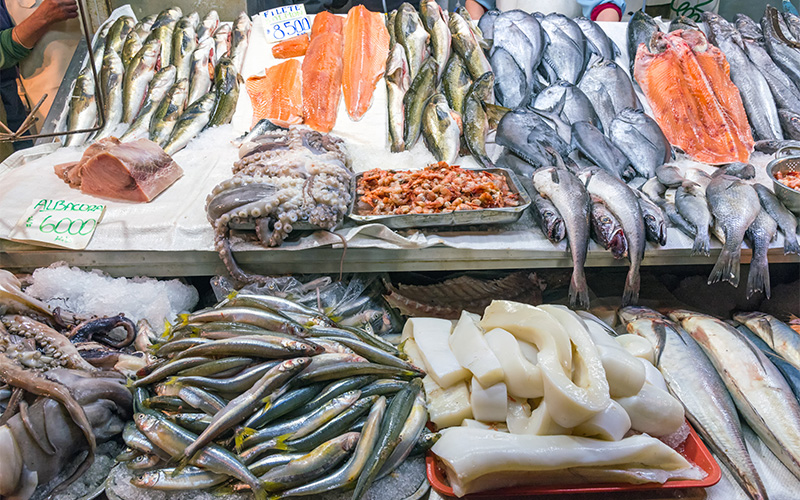
In Singapore, fish has long been part of everyday home cooking rather than an occasional luxury or novelty ingredient. As an island nation surrounded by regional fishing routes and neighbouring seafood suppliers, Singapore has historically enjoyed easy access to fresh seafood through coastal trade, wet markets, and fishery imports.
Across many local cultures and cuisines, fish is deeply woven into daily meals. From Teochew-style steamed pomfret and Malay grilled stingray to Indian fish curry and simple Chinese fish soups, seafood is commonly prepared as part of affordable, family-style dining. Many households grow up eating fish several times a week because it is versatile, widely available, and suitable for different cooking methods.
Wet markets, supermarkets, and seafood delivery services also make fish highly accessible across Singapore today. Consumers can easily find whole fish, fillets, prawns, and shellfish suited for both quick weekday meals and traditional home-cooked dishes. This accessibility has helped fish remain a practical and familiar protein source for generations of Singaporean families.
Benefits of Eating Fish
Rich in Omega-3 Fatty Acids
When we talk about the benefits of fish as staple food, one of the first things that come to mind is its rich content of omega-3 fatty acids. These essential fats are crucial for brain development and function. For families with young children, incorporating fish into their diet can support cognitive development, enhancing memory and learning capabilities.
Moreover, omega-3 fatty acids are known for their heart health benefits. They help lower blood pressure, reduce triglycerides, and can even decrease the risk of heart disease. In a fast-paced world where health is paramount, making fish a regular part of your meals can be a proactive step towards better cardiovascular health.
High-Quality Protein Source
Fish is not only rich in healthy fats but also an excellent source of high-quality protein. Protein is essential for growth, repair, and maintenance of body tissues. For families, especially those with active children, ensuring adequate protein intake is vital for energy and development.
Unlike some meats, fish is often lower in calories and saturated fat, making it a lighter option for meals. This means you can enjoy a delicious fish dish without the guilt, helping families maintain a balanced diet while still indulging in their culinary favorites.
Vitamins and Minerals Galore
Fish is packed with essential vitamins and minerals that contribute to overall health. For instance, fish is a great source of vitamin D, which is crucial for bone health. It also contains B vitamins, such as B12, which are important for energy production and brain health. Additionally, fish is rich in minerals like selenium and iodine, which play a role in thyroid function and metabolism.
In Singapore, where the tropical climate can sometimes lead to deficiencies in certain nutrients, incorporating fish as a staple food into your family’s diet can help bridge those gaps and ensure everyone is getting the vitamins and minerals they need to thrive.
How to Incorporate Fish into Your Family’s Meals
Easy and Delicious Recipes
One of the best things about fish is its versatility in cooking. Whether you prefer it grilled, steamed, or fried, there are countless ways to prepare fish that will delight your family’s taste buds. Here are some simple and delicious recipes to get you started:
- Grilled Salmon with Lemon and Herbs: Marinate salmon fish fillets in olive oil, lemon juice, and your favorite herbs. Grill until cooked through and serve with a side of steamed vegetables.
- Fish Curry: A Singaporean favorite, fish curry combines fresh fish with aromatic spices and coconut milk. Serve it with rice for a hearty meal.
- Fish Tacos: Use grilled or fried fish as the base for tacos, topped with fresh salsa, avocado, and a squeeze of lime.
These recipes are great starting points. To help you choose the best ingredients for these dishes, here are some local varieties to try.
Local Fish Varieties to Try
In Singapore, you’ll find a wide variety of fish available at local markets and grocery stores. Some popular choices include:
- Snapper: A versatile fish that can be steamed, grilled, or fried.
- Mackerel: Known for its rich flavor, it’s perfect for grilling or making curry.
- Pomfret: A mild-tasting fish that’s great for baking or frying.
Exploring local fish varieties not only supports your health but also helps sustain local fisheries, contributing to the community.
Allergies and Dietary Restrictions
For families with fish allergies, it’s important to consult with a healthcare provider before introducing fish into the diet. However, for those without allergies, the nutritional benefits of fish are hard to ignore. There are also plenty of alternatives, such as plant-based omega-3 sources like flaxseeds and chia seeds, that can provide similar health benefits.
Conclusion
Incorporating fish into your family’s diet is not just about enjoying delicious meals; it’s about reaping the numerous health benefits that come with it. Fish, as a staple food in Singapore, offers essential nutrients that support growth, development, and overall well-being. By exploring local fish varieties and trying out new recipes, you can make fish a regular feature on your dining table.
At Catch of the Day SG, families can enjoy the convenience of fresh seafood delivered straight to their doorstep, without the hassle of visiting crowded wet markets. From whole fish and fillets to prawns and shellfish, every order is carefully packed for freshness, with preparation options tailored to your cooking needs.
Whether you are planning a simple steamed fish dinner or experimenting with new seafood recipes, choosing quality ingredients makes all the difference. Shop today to explore our wide range of fresh seafood and make healthy, home-cooked meals easier for the whole family.
Frequently Asked Questions
Why is fish considered a staple food in Singapore?
Fish has long been part of Singapore’s food culture due to the country’s coastal location, strong seafood trade, and widespread access to wet markets and seafood suppliers. It is commonly used in many local dishes and home-cooked meals across different cultures.
Can you eat fish every day?
Fish can generally be eaten regularly as part of a balanced diet, especially when different fish varieties are rotated. Choosing a mix of oily fish, white fish, and shellfish can help provide a wider range of nutrients while supporting balanced nutrition.
What are the nutritional benefits of eating fish?
Fish is a rich source of protein, omega-3 fatty acids, vitamins, and minerals. These nutrients support brain function, heart health, muscle development, and overall wellness for both adults and children.
What are some common fish eaten in Singapore households?
Popular fish varieties in Singapore include salmon, seabass, pomfret, batang, threadfin, and mackerel. These are commonly used in dishes such as steamed fish, fish soup, curry fish head, and grilled seafood recipes.
Is fresh or frozen fish better for daily cooking?
Both fresh and frozen fish can be suitable for everyday meals when stored properly. Frozen seafood offers convenience and longer shelf life, while fresh fish is often preferred for certain traditional cooking methods and textures.
Is online seafood delivery reliable?
Online seafood delivery can be a reliable way to purchase fish when ordering from trusted suppliers that prioritise freshness, proper cold-chain handling, and clear sourcing practices. Many seafood delivery services in Singapore also offer professionally cleaned and portioned seafood, helping households save time while still enjoying quality ingredients at home.