Fridge vs Freezer: How to Store Fresh Seafood Properly in Singapore
Key Takeaways
- Knowing how to store fresh seafood properly is crucial for maintaining its quality and safety.
- The fridge is ideal for short-term storage, while the freezer is best for longer durations.
- Always ensure seafood is kept at the right temperature to prevent spoilage.
- Utilise airtight containers or vacuum sealing to enhance freshness.
- Immediately storing items bought from online seafood delivery ensures food stays fresh for longer.
Introduction
Living in Singapore, with its vibrant food culture and access to a variety of fresh seafood, it’s no wonder that many of us are eager to bring home the ocean’s bounty.
However, once you’ve selected your fish or shellfish, the real question arises: how do you ensure it stays fresh and delicious until you’re ready to cook? Proper storage is key, and knowing whether to use your fridge or freezer can make all the difference.
Here’s the thing: many people aren’t aware of how to store fresh seafood. This can drastically affect its taste and texture. Imagine biting into a piece of fish that’s lost its freshness. That is not exactly the culinary delight you were hoping for, right?
In this seafood storage guide, we’ll explore the best practices for storing fresh seafood in Singapore, taking into account the city-state’s humid climate and bustling seafood markets.
Understanding Fresh Seafood
What Makes Seafood Fresh?
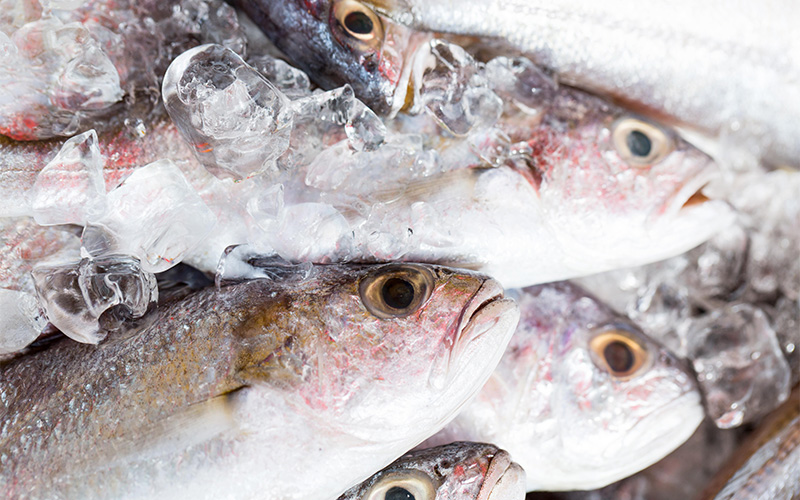
Fresh seafood is not just about the taste; it’s also about the quality and safety of what you’re consuming. Fresh fish should have a clean, briny smell, firm flesh, and bright, clear eyes. Shellfish should be alive when you purchase them, with tightly closed shells.
How do you maintain that freshness once home?
The Importance of Temperature
Temperature control is crucial and a key factor in knowing how to store fresh seafood.
The ideal temperature for storing fresh seafood is below 4°C in the fridge and -18°C in the freezer.
Keeping seafood at the right temperature helps inhibit the growth of harmful bacteria, ensuring that your meal remains safe and delicious.
The Shelf Life of Seafood
When learning how to store fresh seafood, it is important to first understand that different types of seafood have varying shelf lives.
For instance, fish like salmon can last up to 2 days in the fridge, while shrimp can stay fresh for about 3 days.
This is a must-know because seafood bought from online fish delivery services in Singapore usually arrives fresh and requires immediate cold storage.
When frozen, however, these same seafood items can last for several months. Understanding these timeframes is essential for planning your meals and minimising waste.
Knowing the shelf lives of seafood also helps in planning your storage space and seafood storage methods.
Storing Seafood in the Fridge
Best Practices for Refrigeration
When it comes to the fridge, proper storage techniques can significantly extend the life of your fresh seafood. Here’s how:
- Keep it Cold: Store seafood in the coldest part of your fridge, typically at the back.
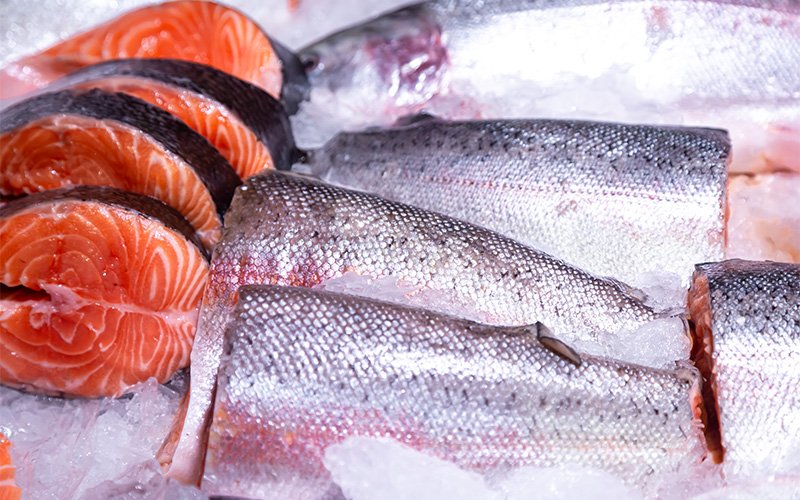
- Use Ice: Place your seafood on a bed of ice in a shallow bowl. This helps maintain a low temperature and keeps the seafood fresh longer.
- Cover It Up: Use plastic wrap or an airtight container to cover your seafood. This prevents it from absorbing other odours and keeps it moist.
Common Mistakes to Avoid
- Don’t Wash Before Storing: Washing seafood before storing can introduce bacteria. Instead, wash it just before cooking.
- Avoid Storing in the Original Packaging: Most packaging is not airtight. Transfer your seafood to a more suitable container for better storage.
Signs of Spoilage
Always check for signs of spoilage before cooking seafood. If it smells overly fishy, has a slimy texture, or shows discolouration, it’s best to err on the side of caution and discard it.
Freezing Seafood for Longevity
When to Freeze Seafood
Freezing is an excellent way to preserve seafood for longer periods. If you’ve bought more than you can consume within a few days, it’s time to freeze. Here’s how:
- Prep it Right: Clean and gut fish if necessary. For shellfish, ensure they are alive before freezing.
- Vacuum Seal: For optimal freshness, vacuum sealing is the best method. It removes air, preventing freezer burn and preserving flavour.
- Label and Date: Always label your packages with the type of seafood and the date of freezing. This helps you keep track of what you have and when to use it.
Thawing Seafood Safely
When you’re ready to use your frozen seafood, proper thawing is essential.
For example, if you have a seabass fillet in the freezer and you would like to cook it soon, the best method is to transfer it to the fridge first for several hours or overnight. This allows the fish to thaw gradually at a controlled temperature while helping preserve its texture and flavour.
If you are short on time, you can also thaw seafood under cold running water or use the microwave’s defrost setting. However, care should be taken to avoid partially cooking the seafood during the process.
Leaving seafood out in the open at room temperature to thaw is generally not advisable, especially in Singapore’s warm and humid climate. The outer layers of the seafood can reach unsafe temperatures while the center remains frozen, increasing the risk of bacterial growth and compromising overall freshness.
Freezing Tips for Different Seafood Types
- Fish: Most fish freeze well, but oily fish like mackerel should be consumed within 2-3 months for the best flavour.
- Shellfish: Shrimp and scallops can last up to 6 months in the freezer, while crabs should be consumed within 3 months for optimal quality.
Conclusion
Knowing how to store fresh seafood is a major requirement in preserving freshness, texture, and flavour at home. Whether you refrigerate seafood for short-term use or freeze it for longer storage, using the right handling and thawing methods can help reduce waste and ensure your meals remain safe and enjoyable. Small habits such as storing seafood at the correct temperature, sealing it properly, and thawing it safely can make a noticeable difference in the quality of your cooking.
At Catch of the Day SG, we make it easier to enjoy quality seafood at home with fresh seafood delivery across Singapore. From professionally selected seafood to customised preparation options such as filleting, slicing, scaling, and portion cutting. your seafood arrives expertly prepared and ready for convenient storage and cooking, minimising your prep time at home.
Shop now and discover fresh seafood delivered directly to your doorstep.
Frequently Asked Questions
How long can I store fresh seafood in the fridge?
Fresh seafood can typically be stored in the fridge for 1 to 3 days, depending on the type. It’s best to consume it as soon as possible for optimal freshness.
Can I freeze seafood that I bought from the market?
Yes, you can freeze seafood to extend its shelf life. Just be sure to clean and package it properly before freezing.
What is the best way to thaw frozen seafood?
The best way to thaw frozen seafood is to place it in the fridge overnight. You can also use cold running water for quicker thawing.
Should I wash seafood before storing it?
No, it’s not recommended to wash seafood before storing it, as this can introduce bacteria. Wash it just before cooking instead.
How can I tell if seafood has gone bad?
Signs of spoilage include a strong fishy smell, slimy texture, and discolouration. If in doubt, it’s best to discard it.